Anatomy of Photography
Introducing Anatomy of Photography 
In 1982, I shot my first roll of Kodachrome 25, and from that moment on became immersed in making colour photography. 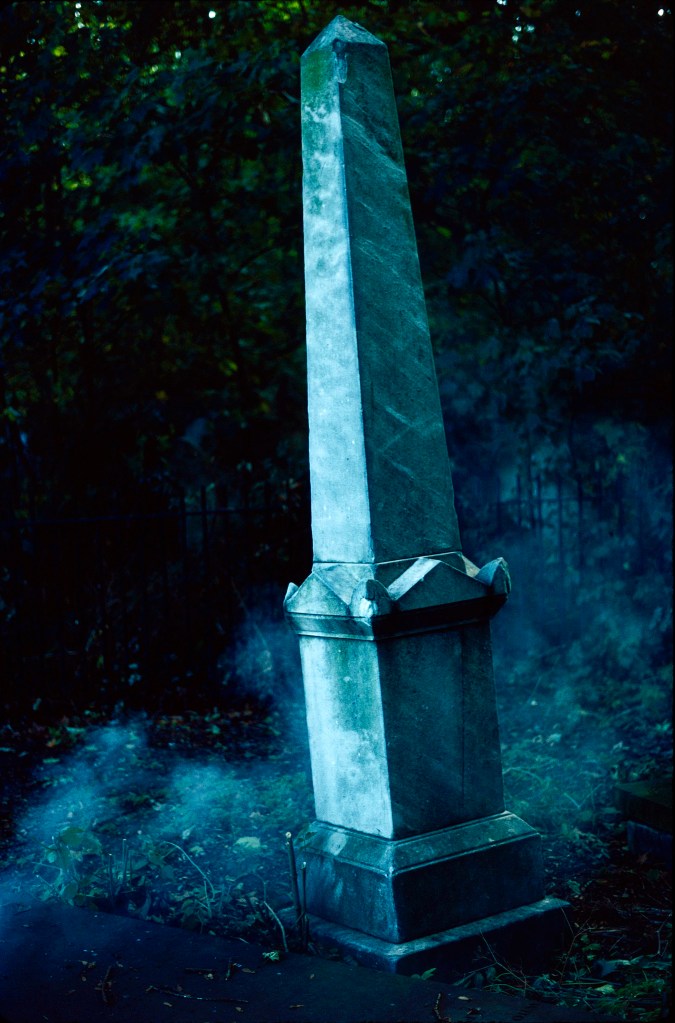
Kodachrome was a remarkable colour transparency film, made from 1936 to 2009. At the time that Kodak ceased to sell it, I wrote a brief elegy about its history, its qualities, and the particular skills and aesthetics that they fostered. 
Photography and memory are of course intimately bound together, for good and ill… 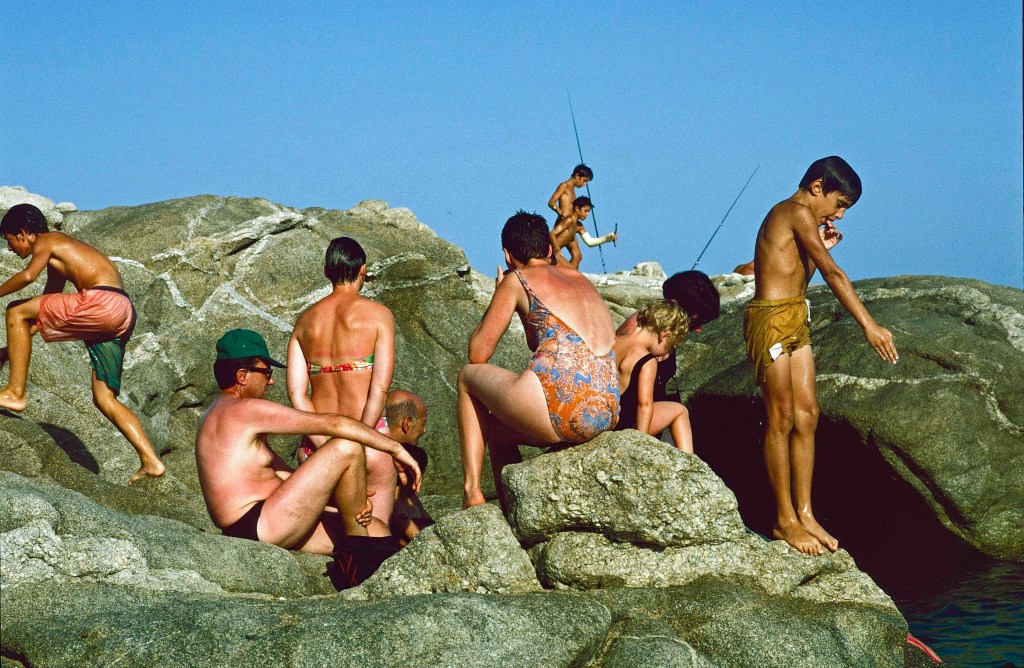
… and since once out of childhood I never kept diaries, my regular – often daily – practise of photography is the physical prop of my recollections. 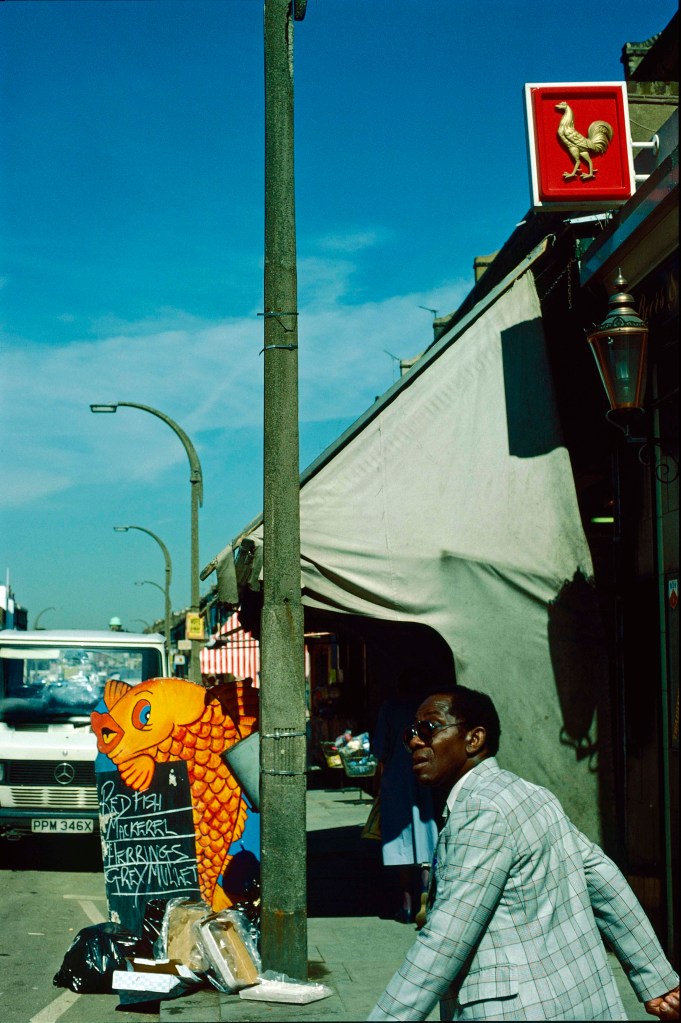
So, for as long as I am able, I will pursue memory and photography at once, revisiting the photos that I took four decades on, bringing a remembered past and the present into juxtaposition. 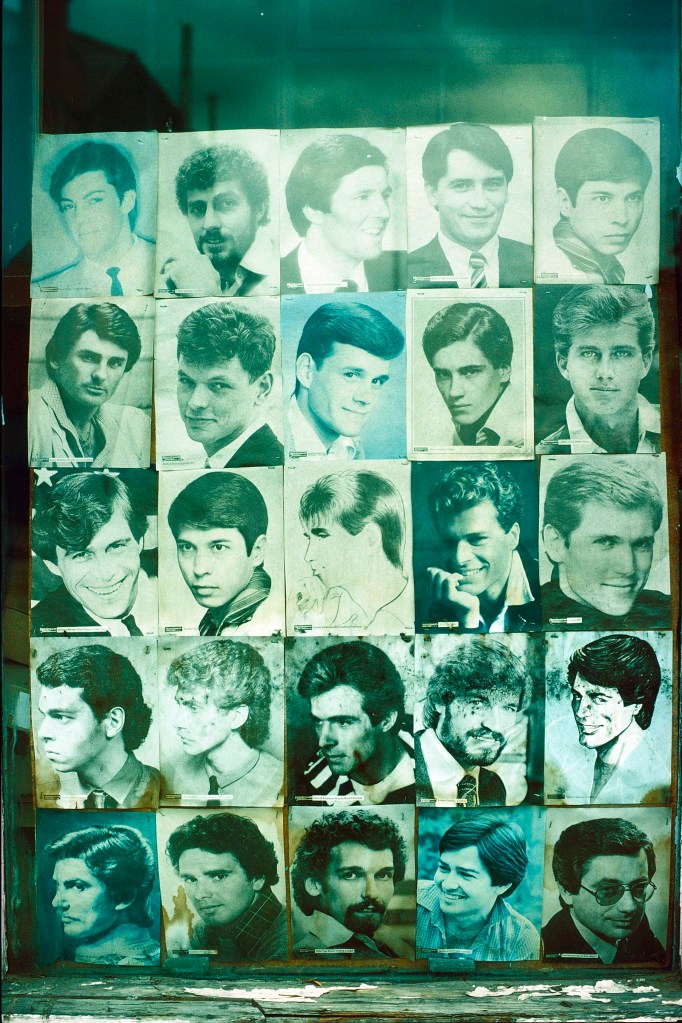
This project will engage with the analogue past of photography, the workings and frailties of memory, how photography deforms memory, and the past that camera and film recorded. 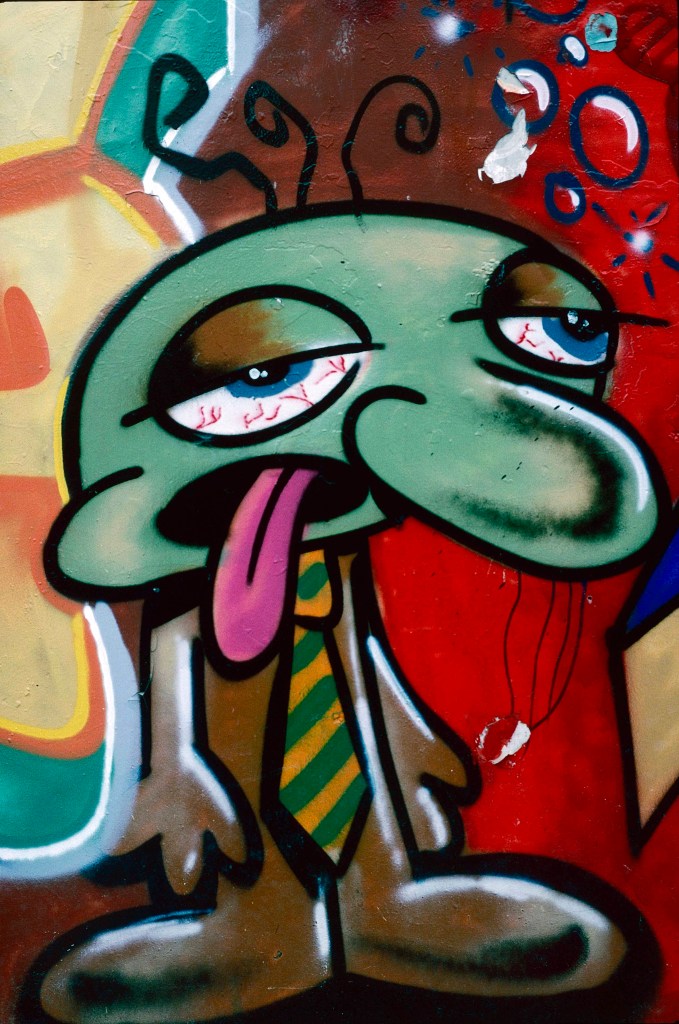
The illusion of a coherent identity is assembled by the false mapping back of the ideas, attitudes, feelings, and temperament of the present personality onto past selves. 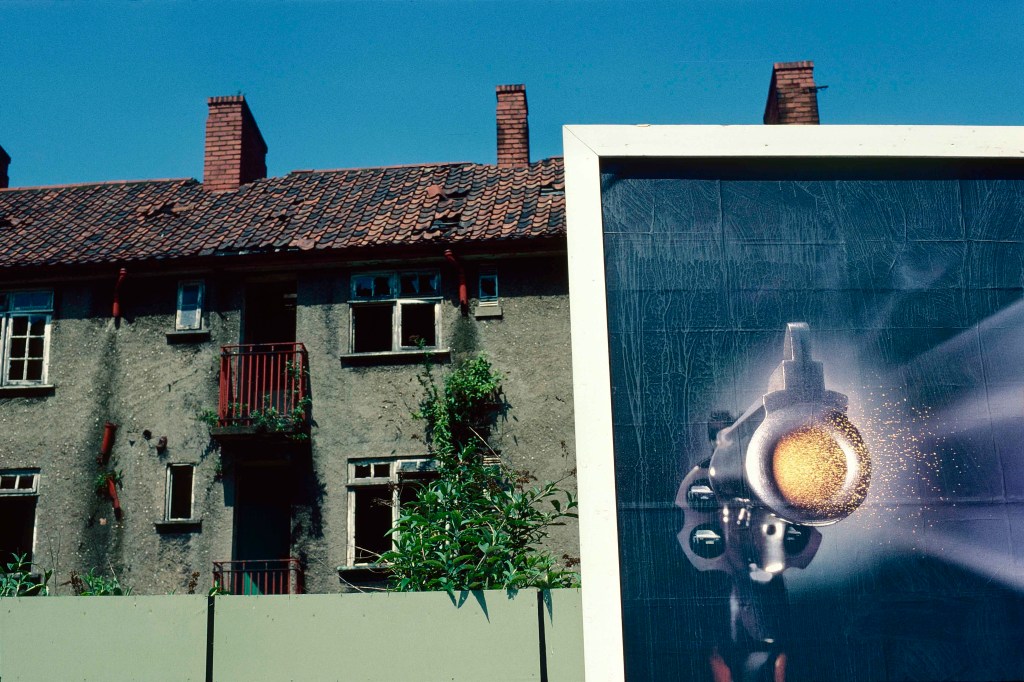
I remember, though currently cannot quite feel, the mental disruptions that brought me to photography in the first place. 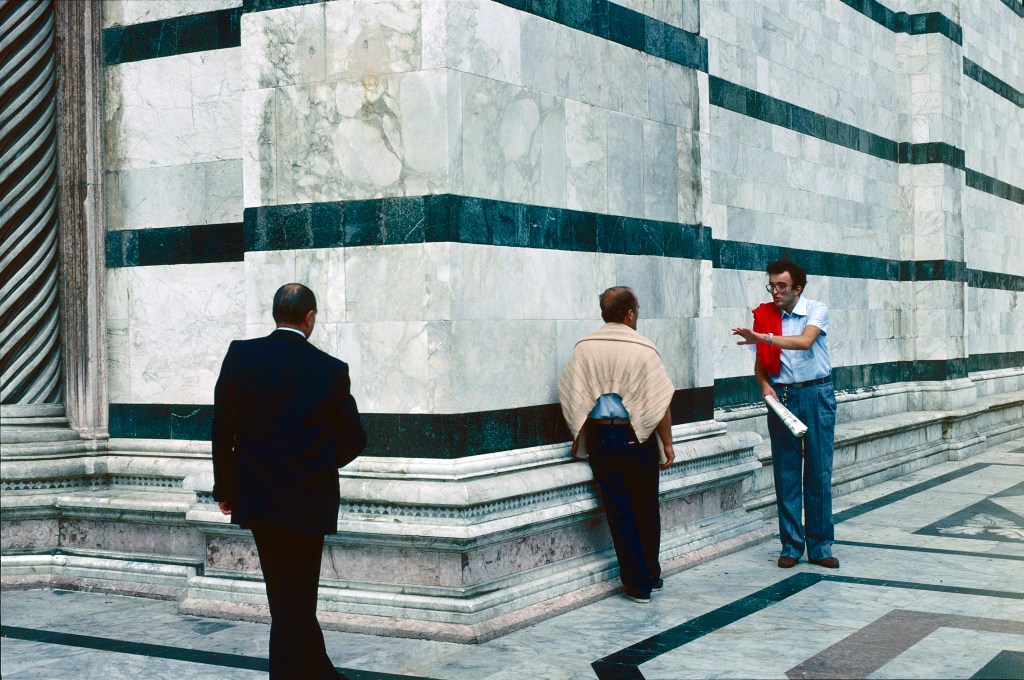
It is with trepidation, then, that I reopen those old yellow boxes of slides.
-
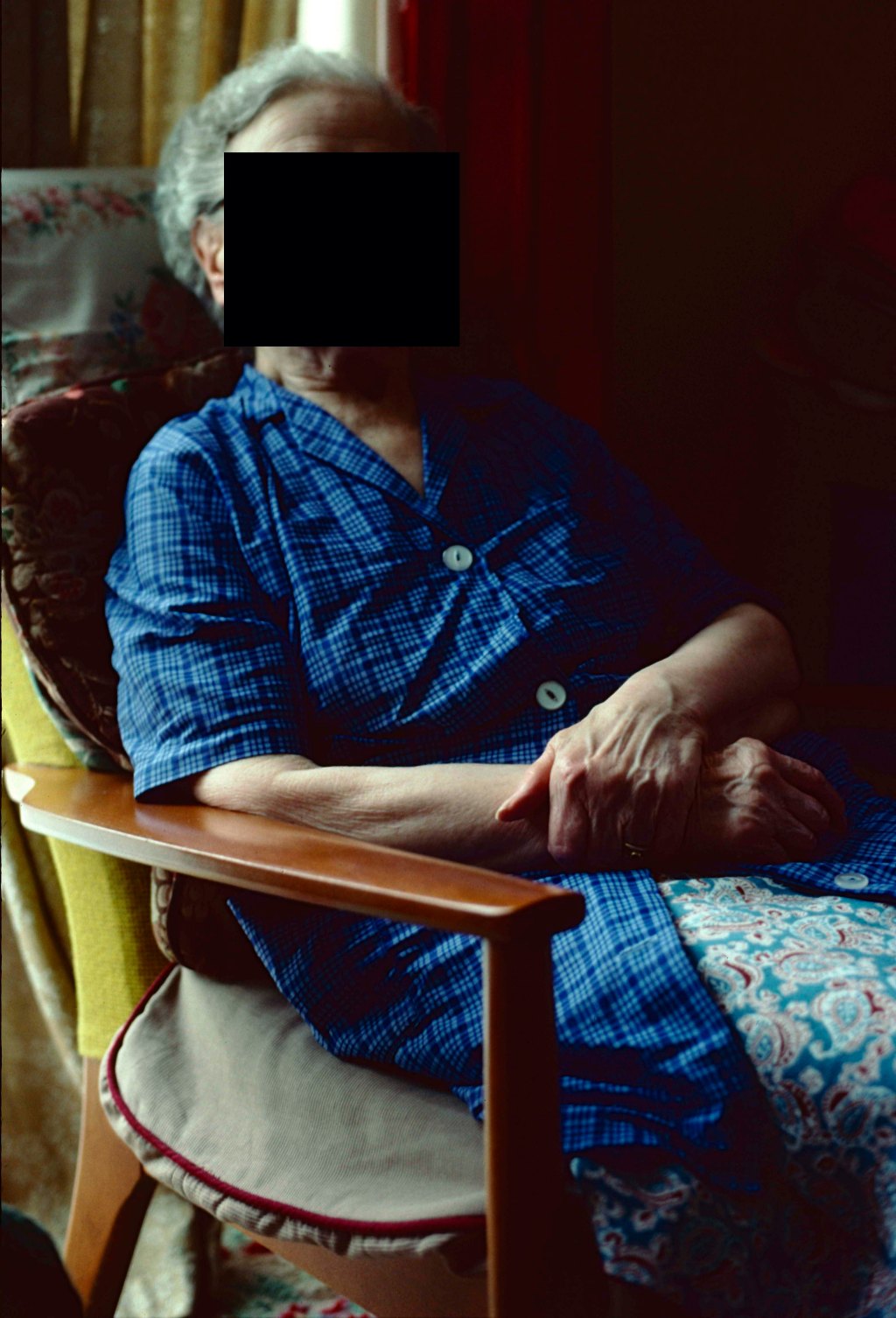
Second-Hand Memories
Read more…: Second-Hand MemoriesAt a time when I was running a high fever for weeks, the heat of the blood had scrambled memories, dreams, thoughts and imaginings so that they became present all at once, like images etched on overlapping panes of glass. At any moment, it was hard to be sure what was memory, and what fabulation.
-
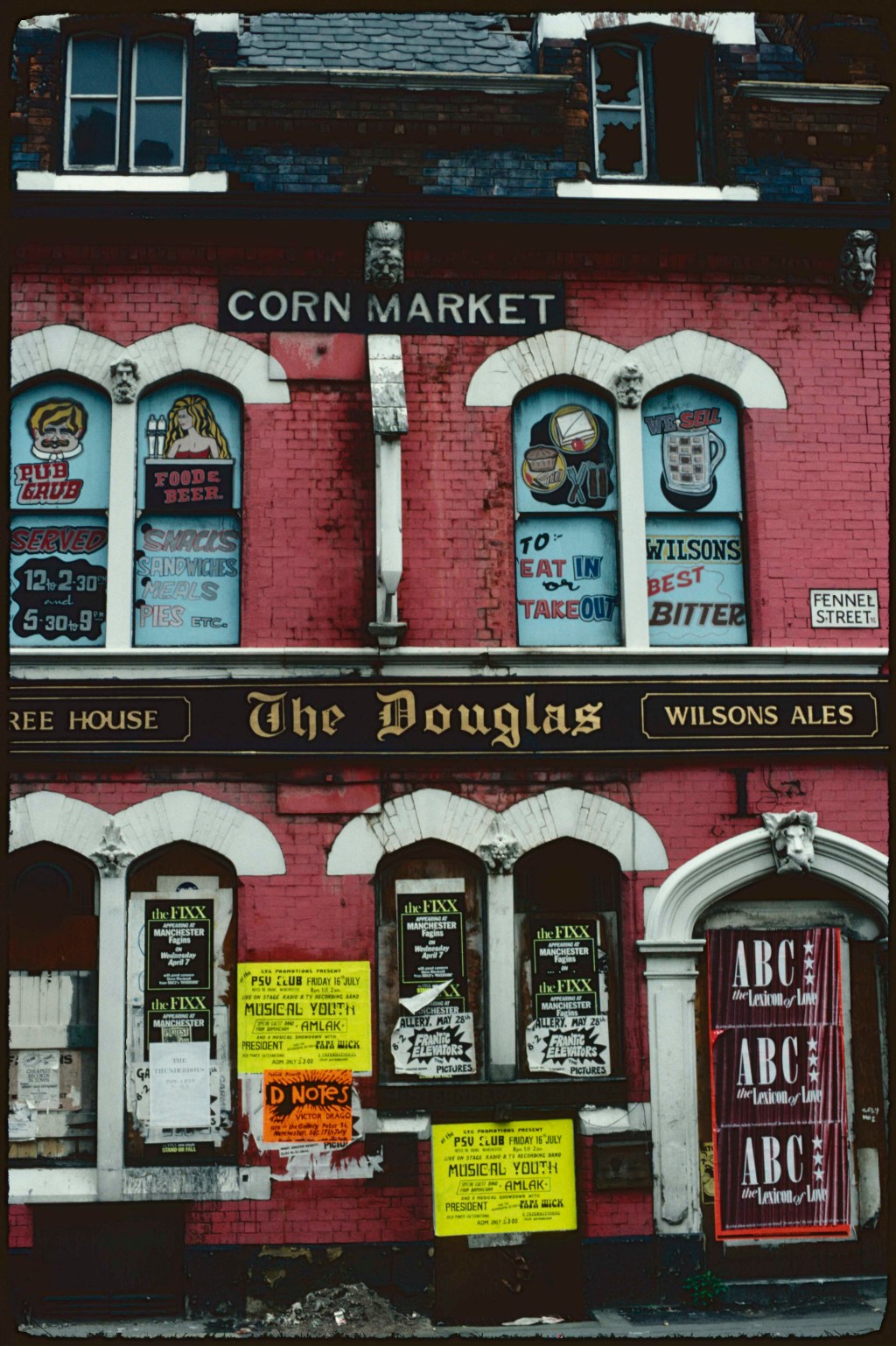
Boxes, Mental and Pictorial
Read more…: Boxes, Mental and PictorialWhen I first read about the kinship between photography and melancholia, it struck a chord. I remember that as an adolescent I made a deliberate attempt, in the interests of self-preservation, to turn my destructive inward-looking mental forces outwards.
-
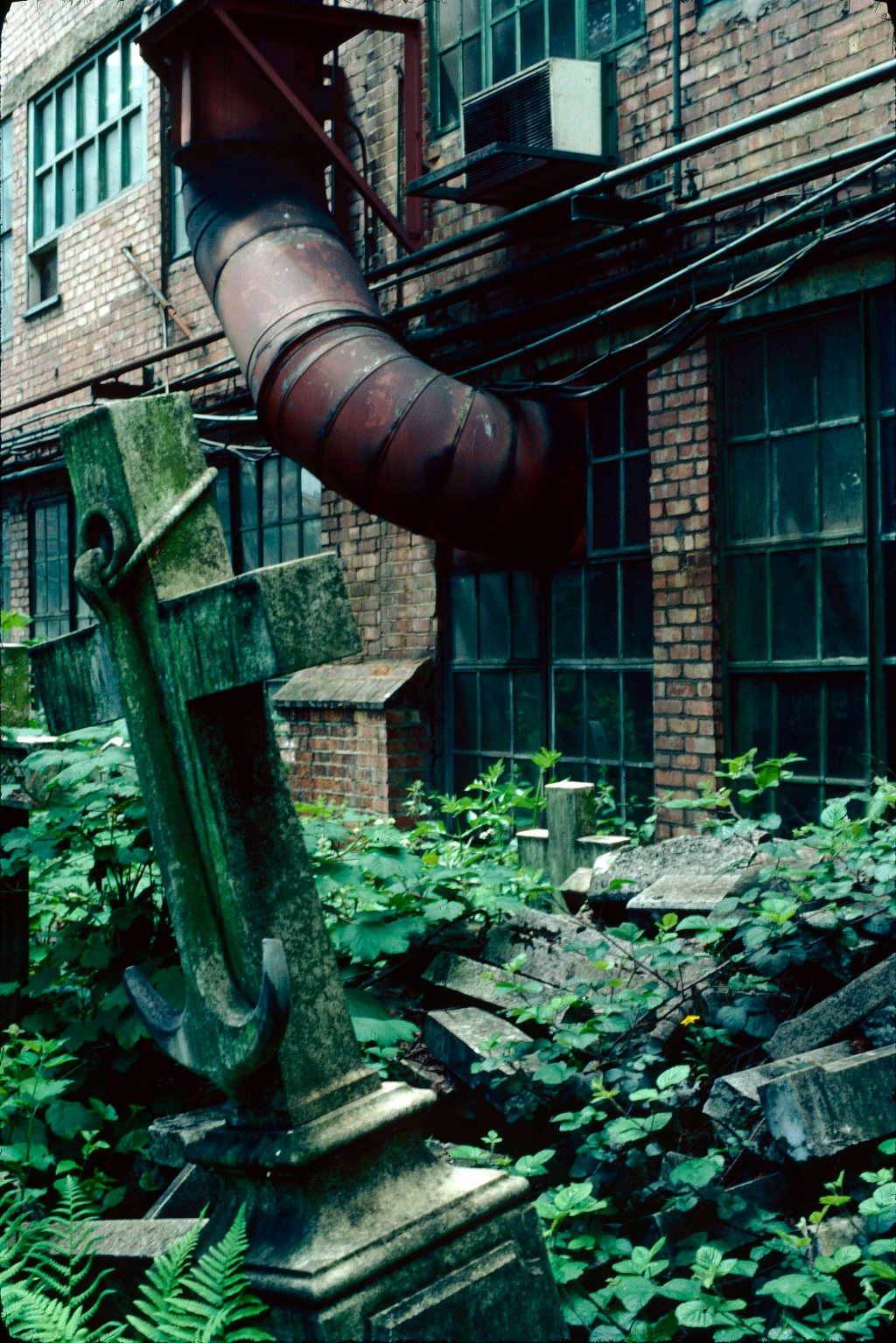
The Graveyard of Industry
Read more…: The Graveyard of IndustryThis photograph was taken in St Sepulchre’s Cemetery in the Jericho area of Oxford during my last days of college. In this working-class area, the graveyard was partially hemmed in by the walls of an old iron works.
-
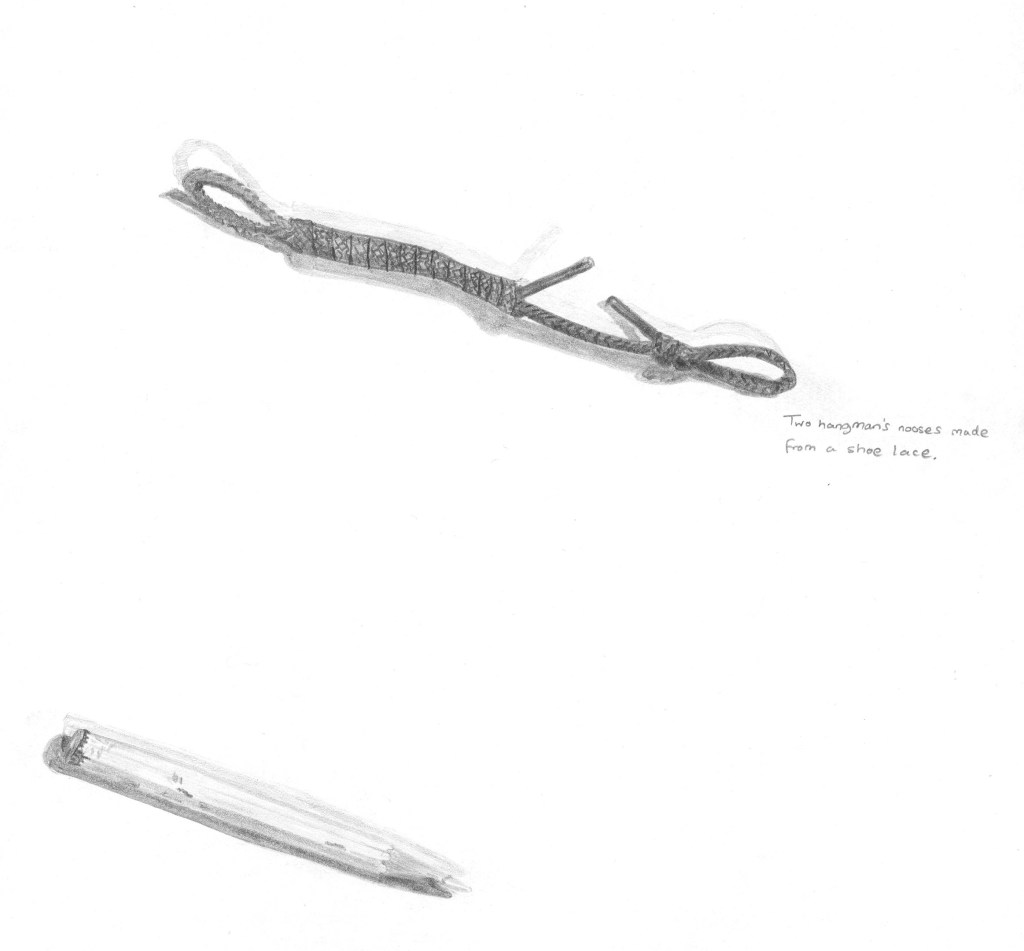
A Catalogue of (Analogue) Errors
Read more…: A Catalogue of (Analogue) ErrorsLooking through these old slides, what leaps out is the frequency and variety of failures. Sometimes—although less than I had feared —these are compositional. I had for years before starting photography been drawing, attending life classes, and looking at artists’ drawings, which probably helped. And some of my drawings before photography had a photographic air.
-
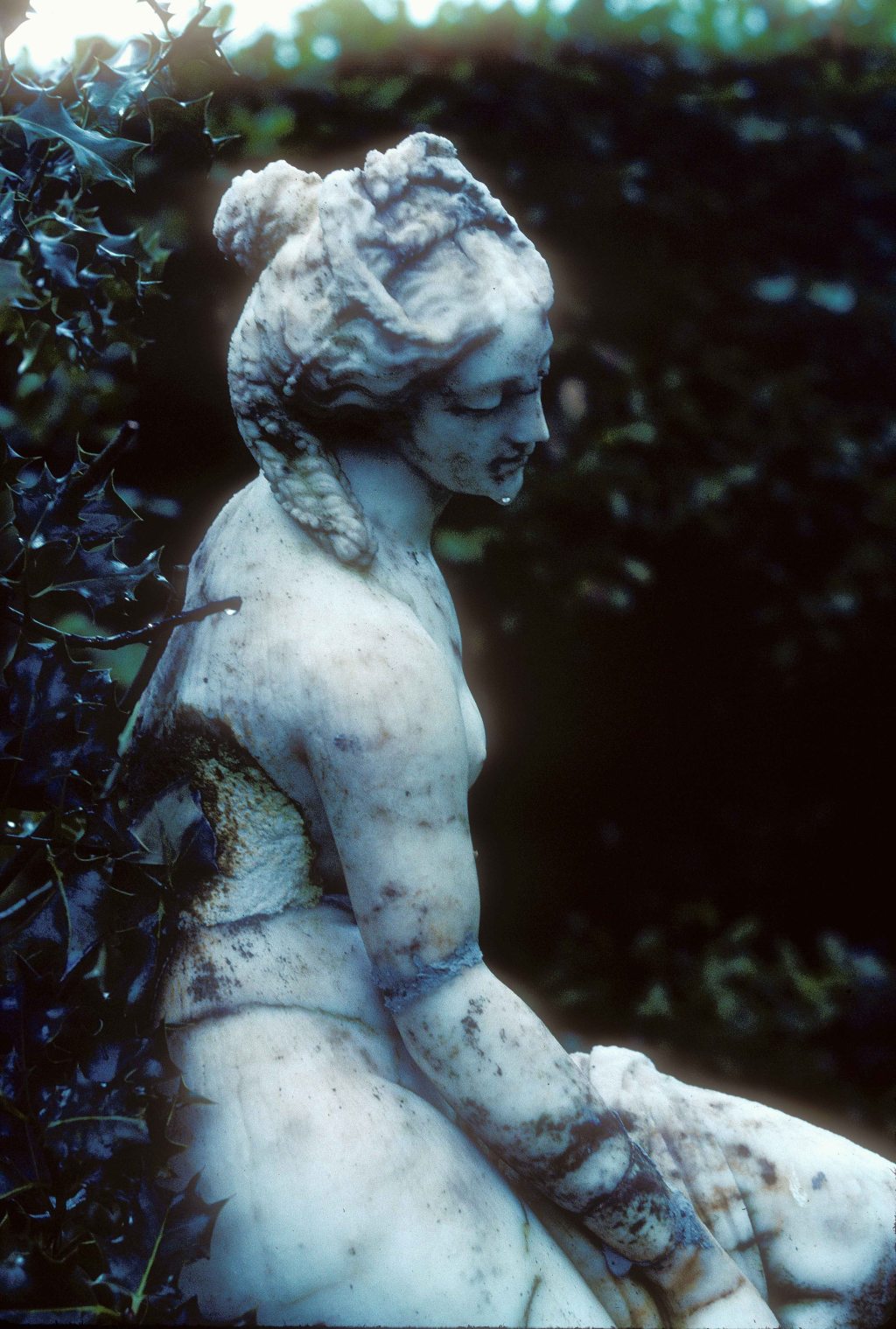
The Beginning of Spring
Read more…: The Beginning of SpringMy father rescued this damaged statue from his mother’s garden, where it had been placed under a fountain, so that over the years the water had etched fine rivulets into its stone surface. Standing in our garden beneath a silver birch, and wreathed in holly, it wove its way into the fabric of my childhood…
-
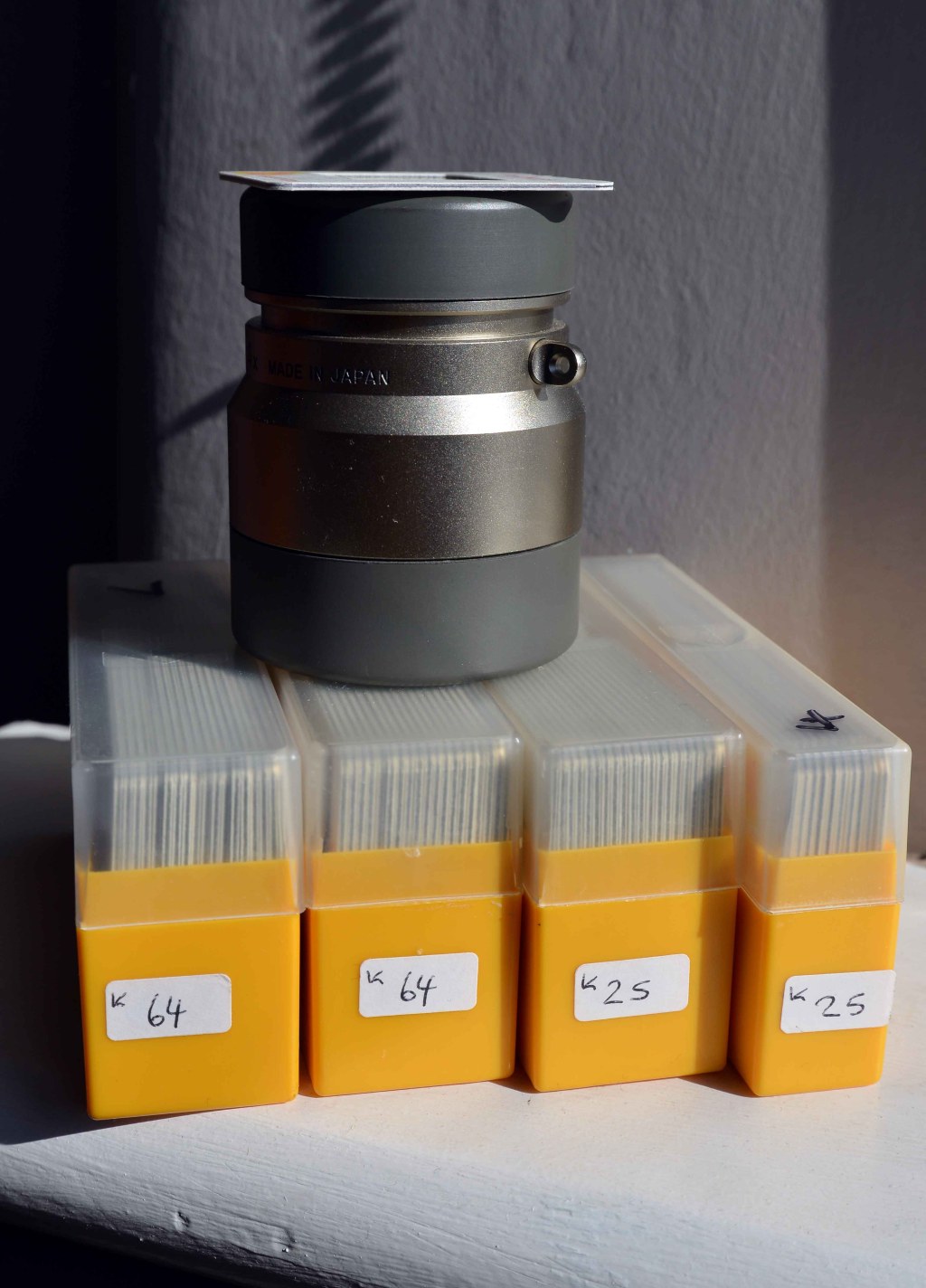
Anatomy of Photography: Introduction
Read more…: Anatomy of Photography: IntroductionThis project will, I hope, engage those who are interested in the analogue past of photography, in the workings and frailties of memory, in the manner in which photography forms and deforms memory, and—since my photography was always at least partly documentary—in the past that camera and film recorded.
Subscribe
Enter your email below to receive updates.
 Julian Stallabrass