Anatomy of Photography
Introducing Anatomy of Photography 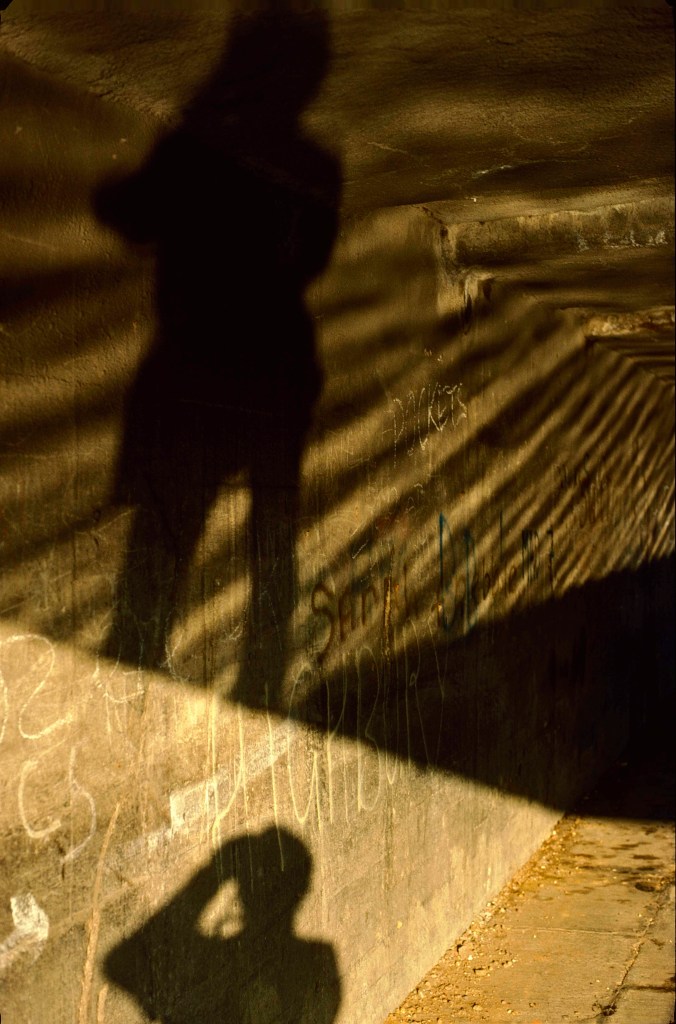
In 1982, I shot my first roll of Kodachrome 25, and from that moment on became immersed in making colour photography. 
Kodachrome was a remarkable colour transparency film, made from 1936 to 2009. At the time that Kodak ceased to sell it, I wrote a brief elegy about its history, its qualities, and the particular skills and aesthetics that they fostered. 
Photography and memory are of course intimately bound together, for good and ill… 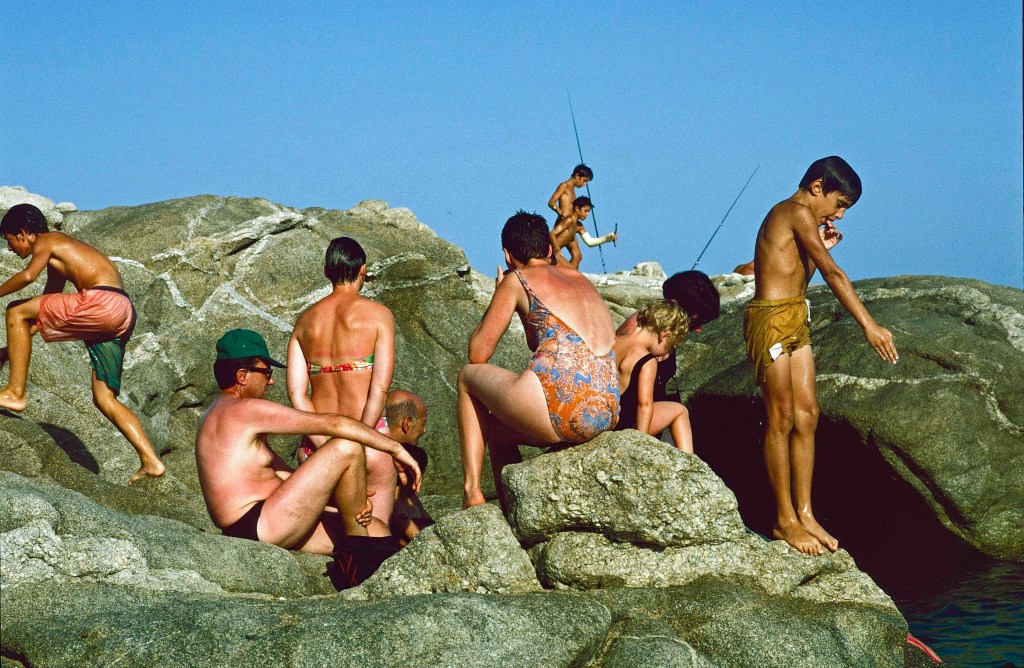
… and since once out of childhood I never kept diaries, my regular – often daily – practise of photography is the physical prop of my recollections. 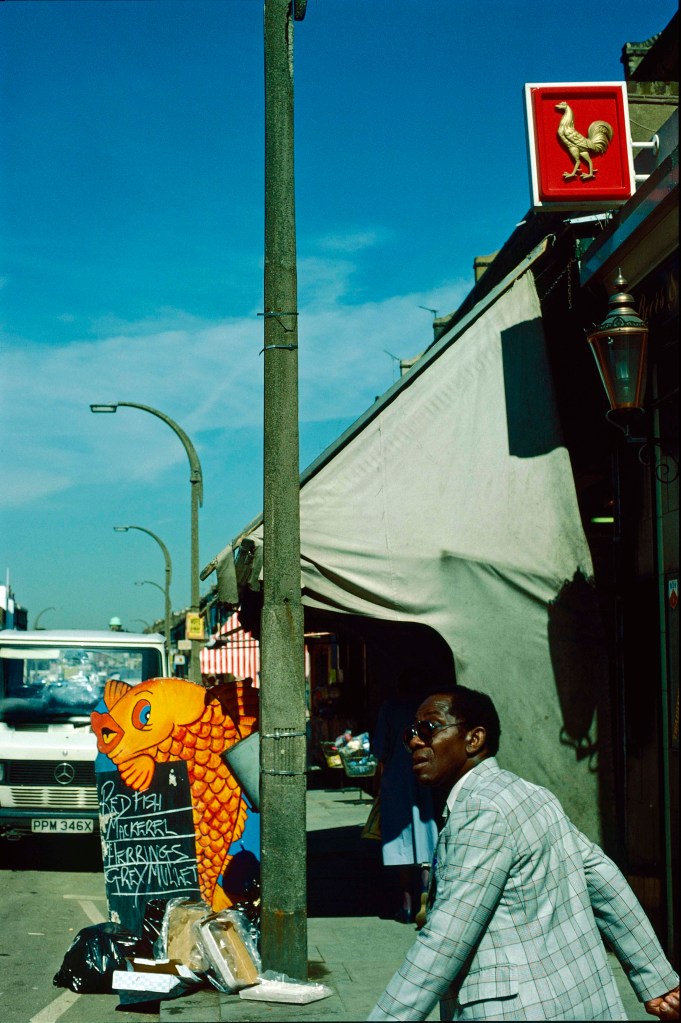
So, for as long as I am able, I will pursue memory and photography at once, revisiting the photos that I took four decades on, bringing a remembered past and the present into juxtaposition. 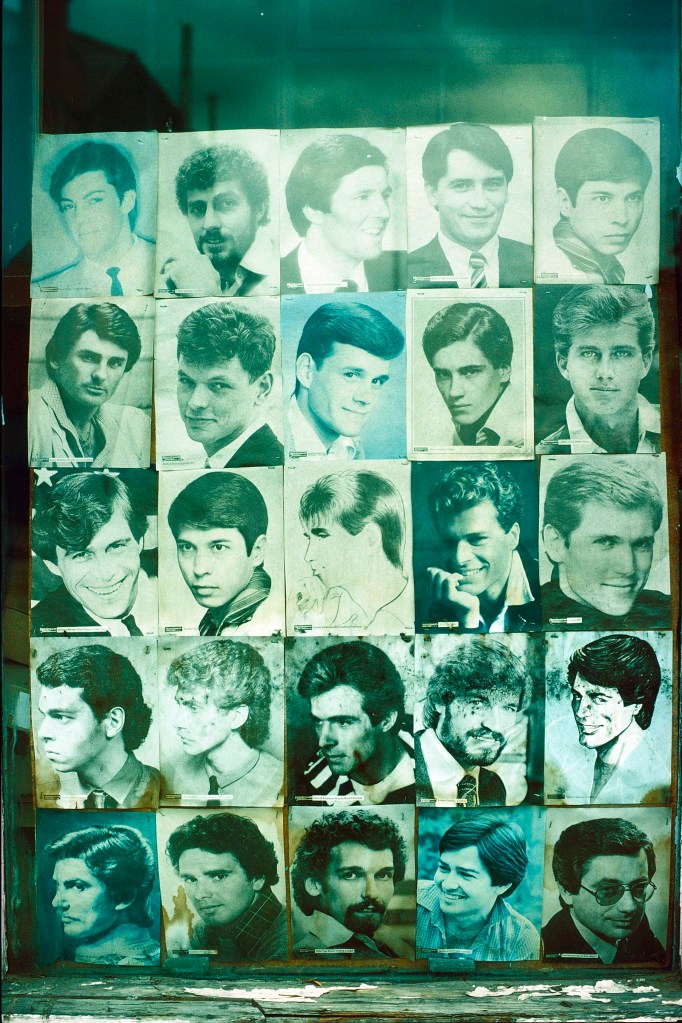
This project will engage with the analogue past of photography, the workings and frailties of memory, how photography deforms memory, and the past that camera and film recorded. 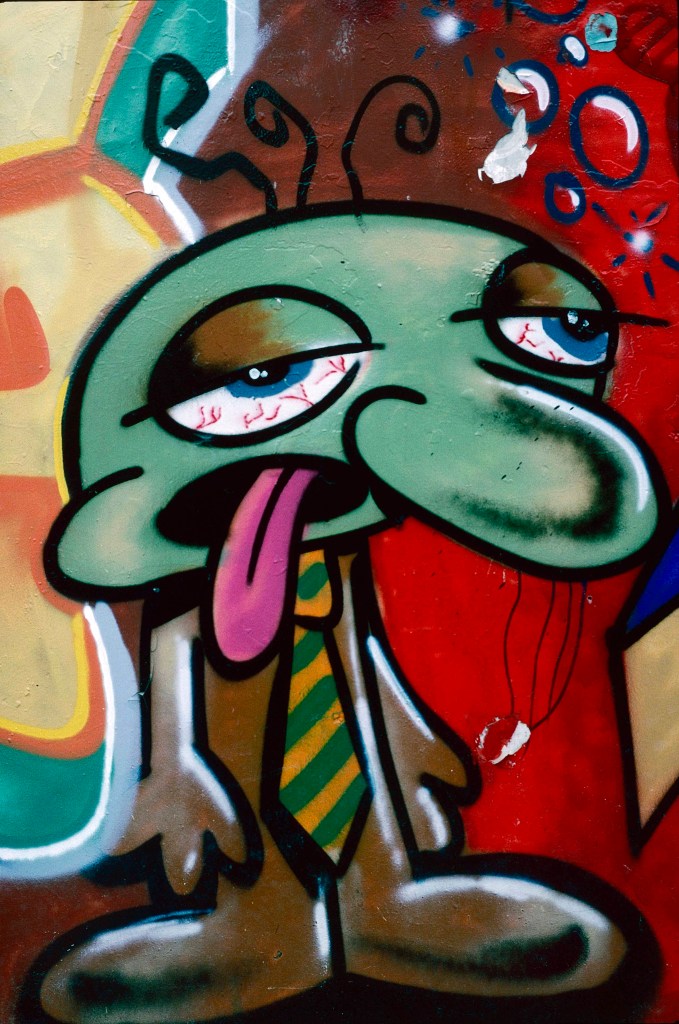
The illusion of a coherent identity is assembled by the false mapping back of the ideas, attitudes, feelings, and temperament of the present personality onto past selves. 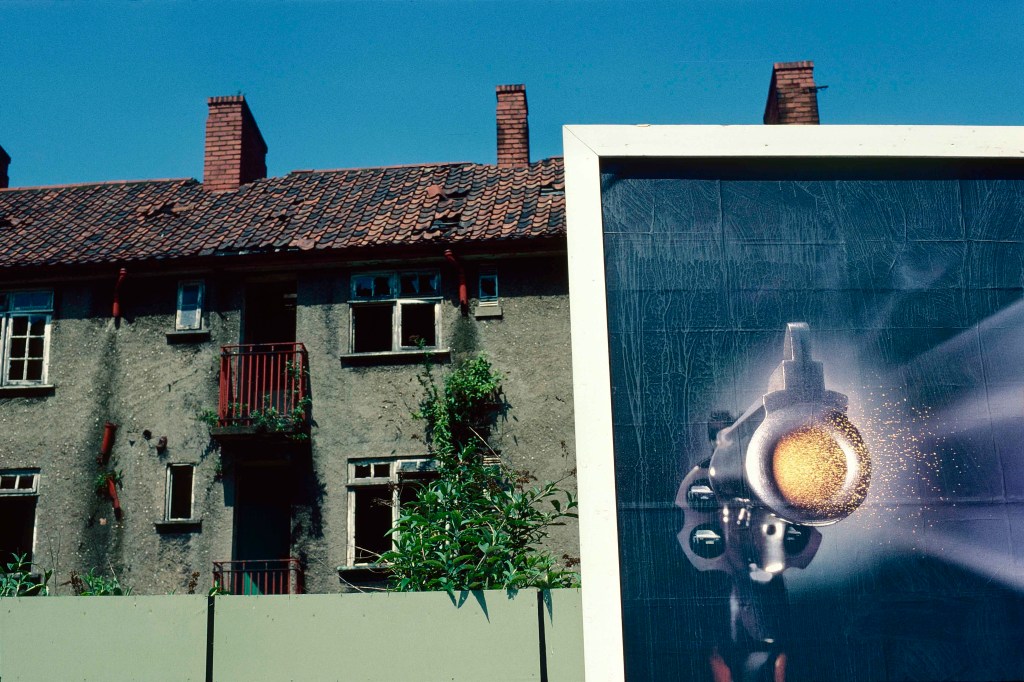
I remember, though currently cannot quite feel, the mental disruptions that brought me to photography in the first place. 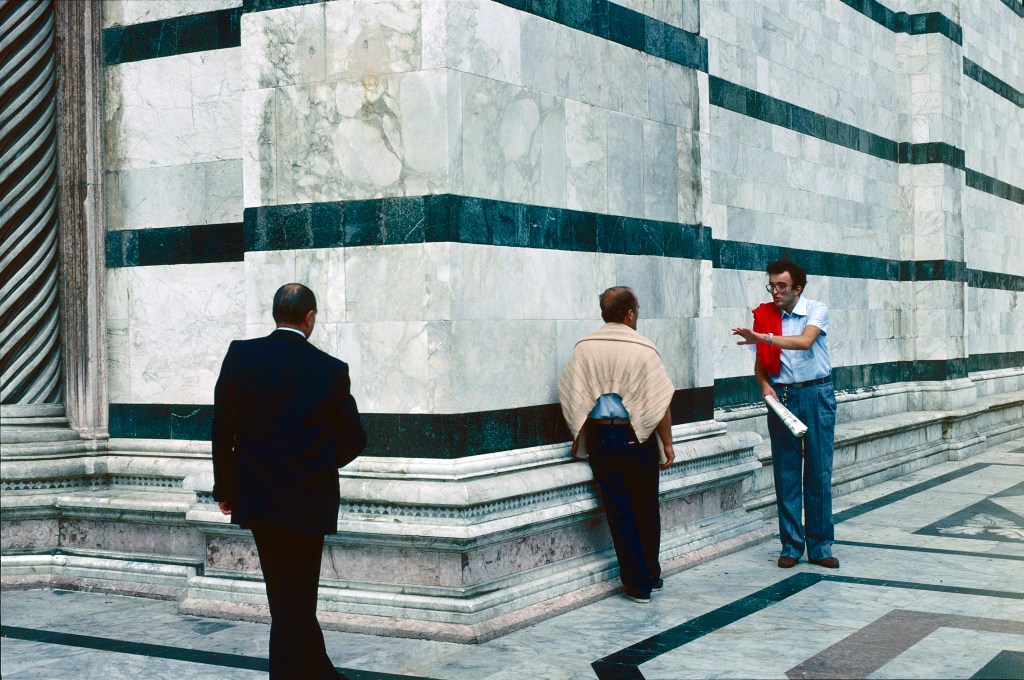
It is with trepidation, then, that I reopen those old yellow boxes of slides.
-
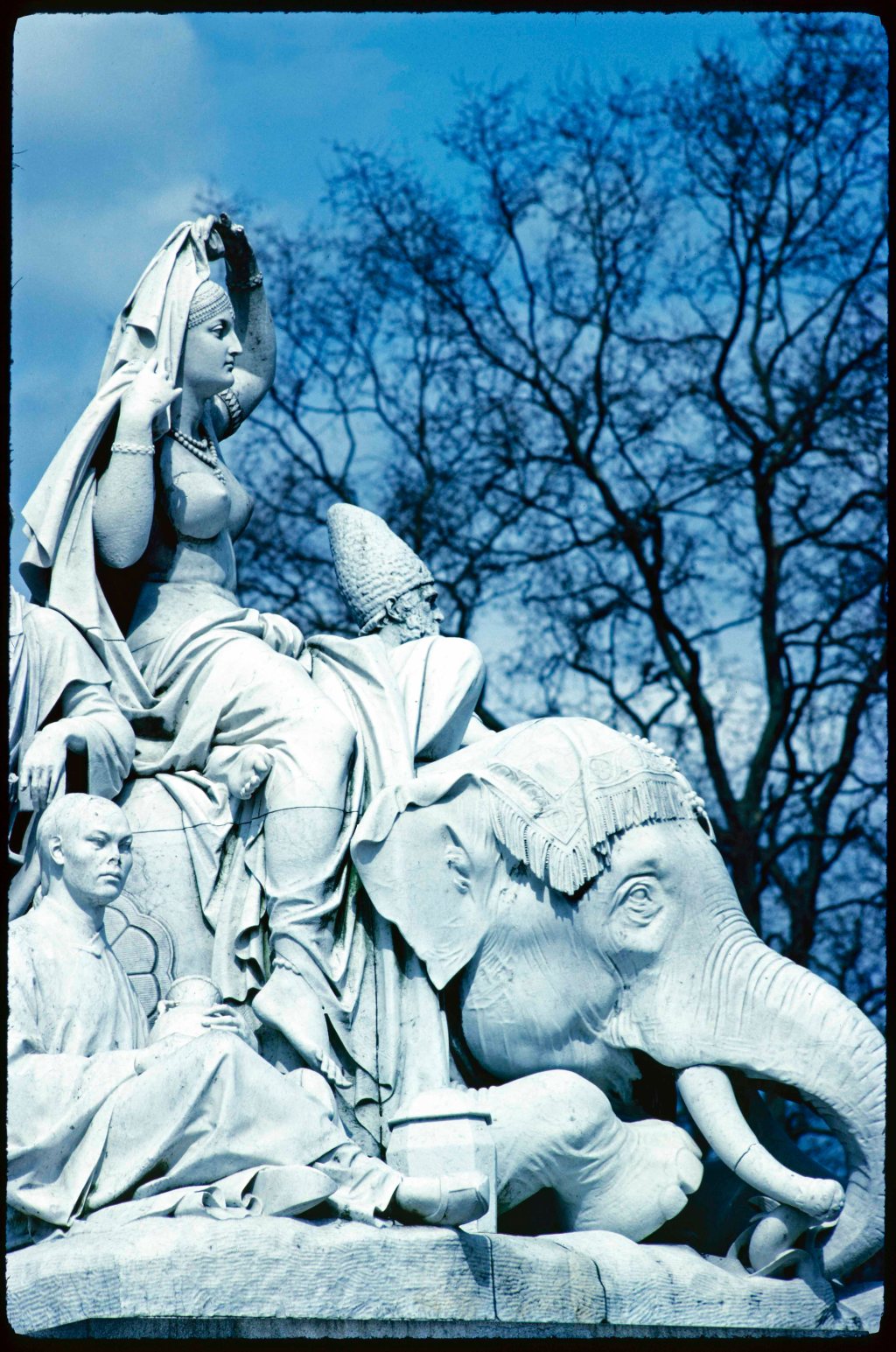
From Marble to Iron
Read more…: From Marble to IronI remember photographing the Albert Memorial on a clear spring day, fascinated and horrified by that assemblage of confidently imperial Victorian kitsch with the gilded presence of the universal ‘Renaissance Prince’ seated at its centre. If the monument is an ode to expense and excess, it reflected the fawning deference with which Albert was viewed.
-
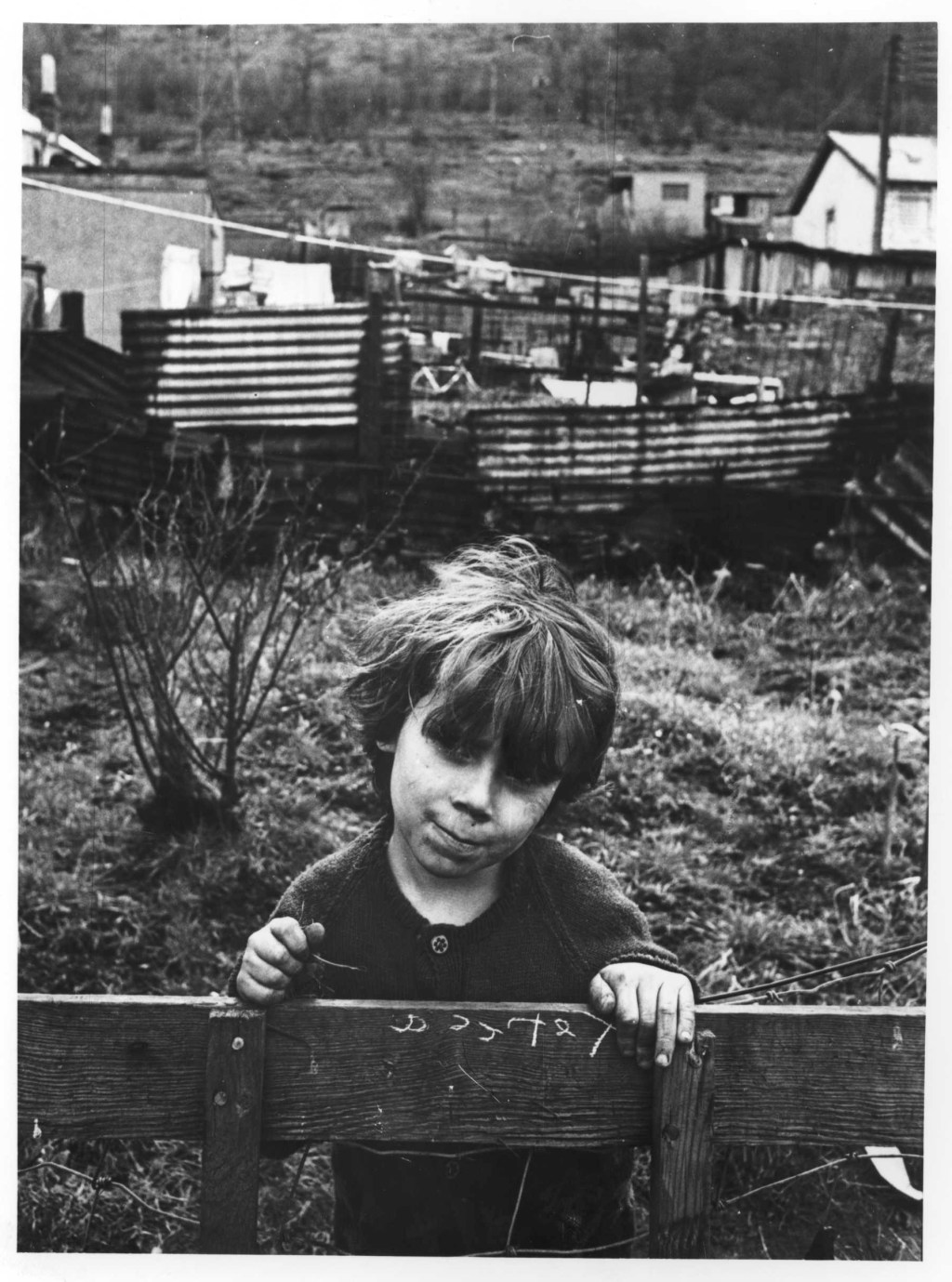
Hidden Talent
Read more…: Hidden TalentIn the last blog post, I mentioned that one of the kids at the home would go on to make remarkable photographs. What follows is Steve Phillip’s account of that time and the difference it made to his life, and some of his photographs.
-
Money, Class, Photography—and the Lubitel
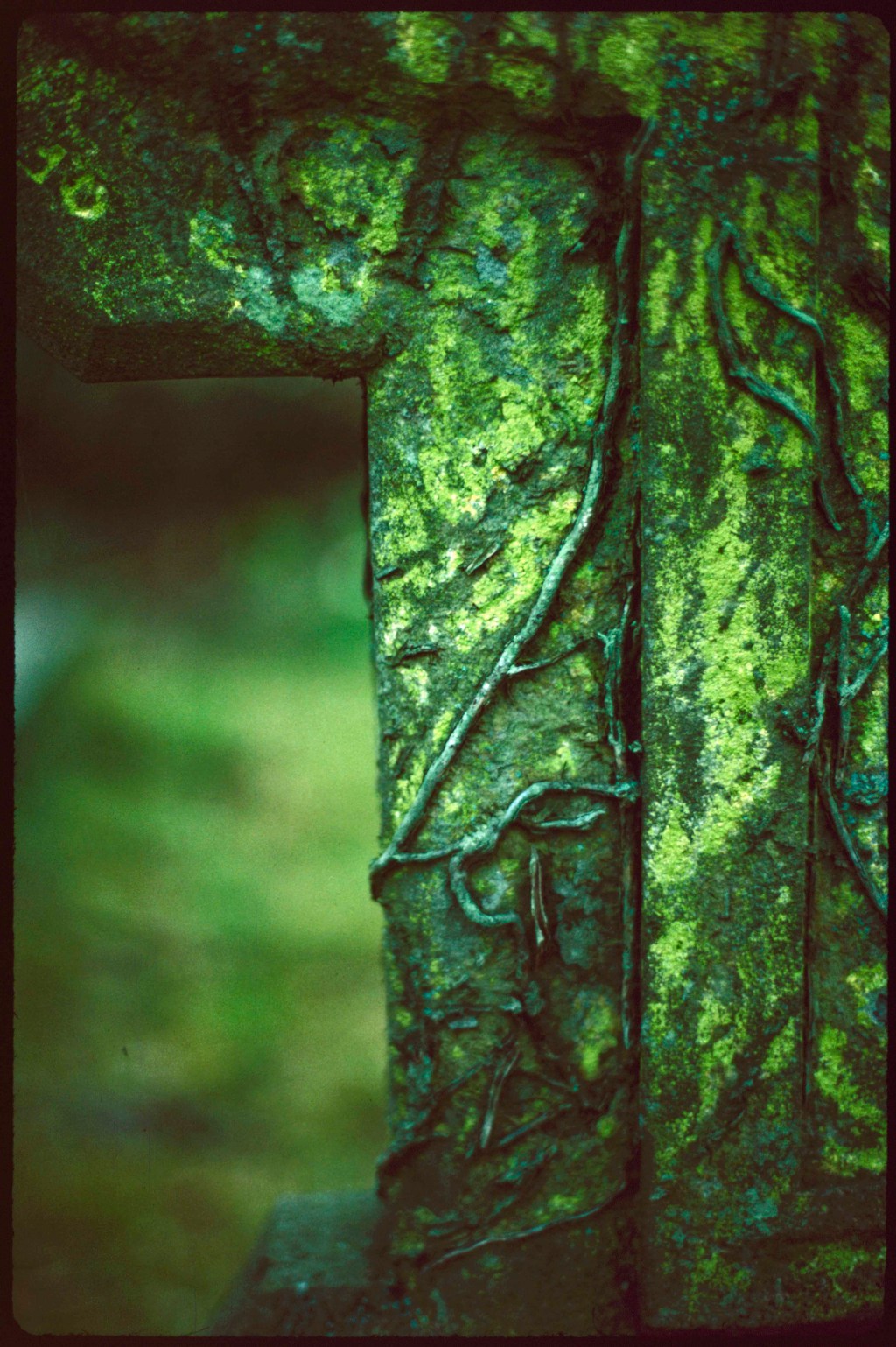
Read more…: Money, Class, Photography—and the LubitelLooking back on some of the colour slides I was taking at this time, now they seem to me to be inching towards an awareness of a simultaneous aging and binding, the slow solidification of social fetters, in a play of growth and entropy.
-
The Inner Shadow
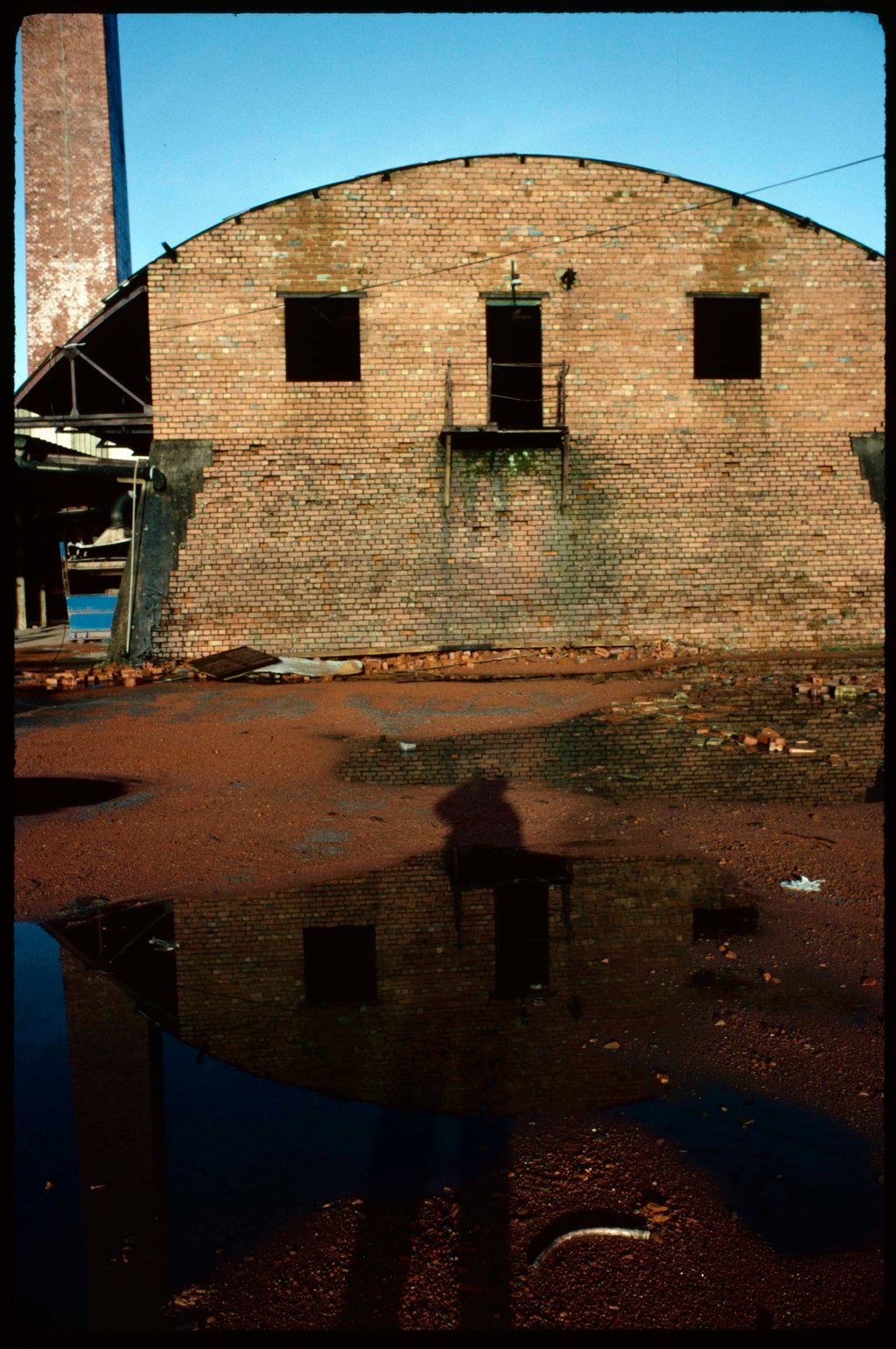
Read more…: The Inner ShadowNormally, I would do all I could to efface my presence from images, seeing it as an unwonted and egotistical distraction from the subject. Here, though, for reasons that are now obscure to me, I let my shadow fall, a negative projection across water and ground.
-
ABCs
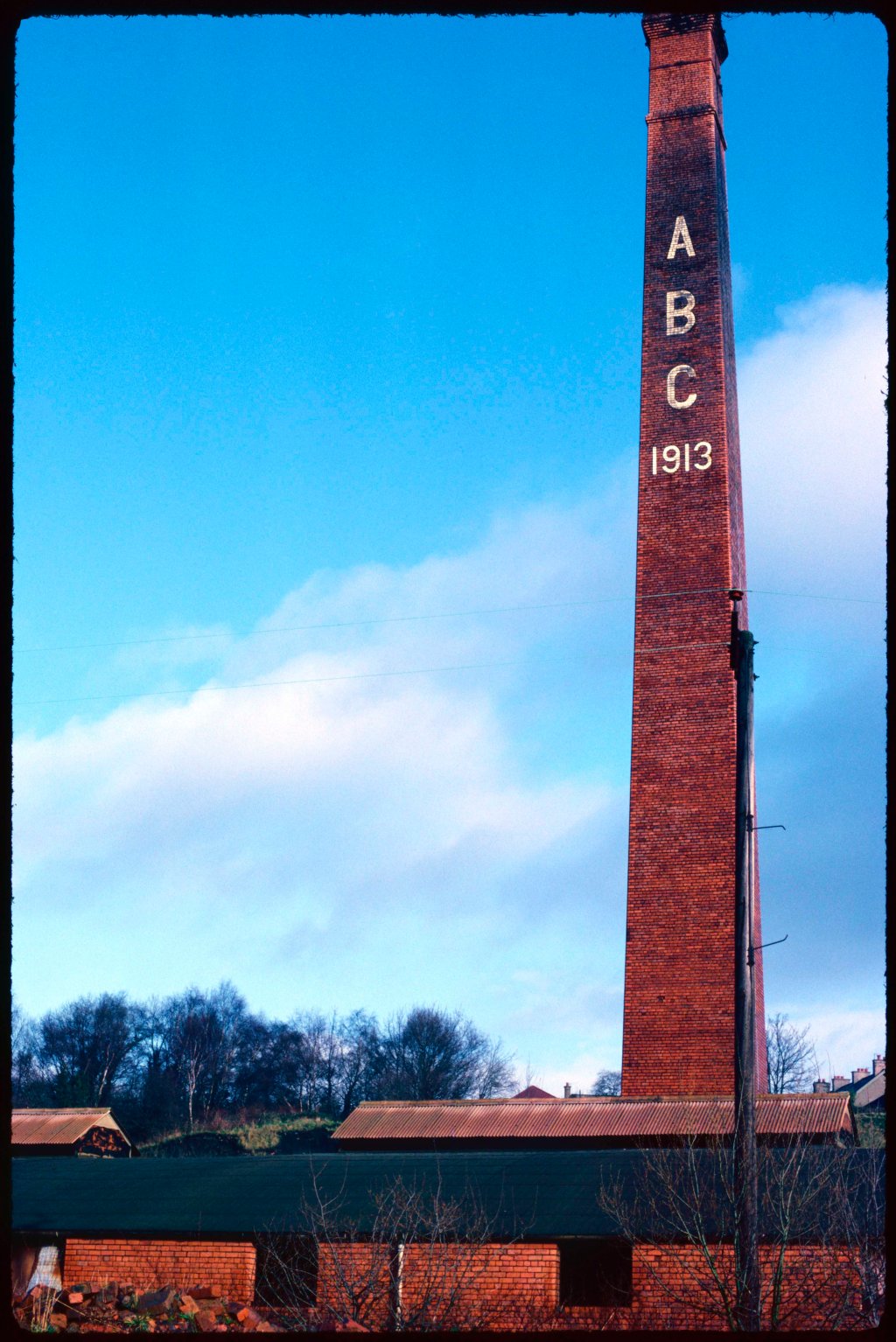
Read more…: ABCsOn my various wanderings around and about Aberdare that winter, I came across the town’s brick factory, which had recently closed down. Its tall and slender tower announced it: ABC. Unlike many other industrial remains, it was easy to get in and out off. Kids went there to play.
-
The Lie of the Land
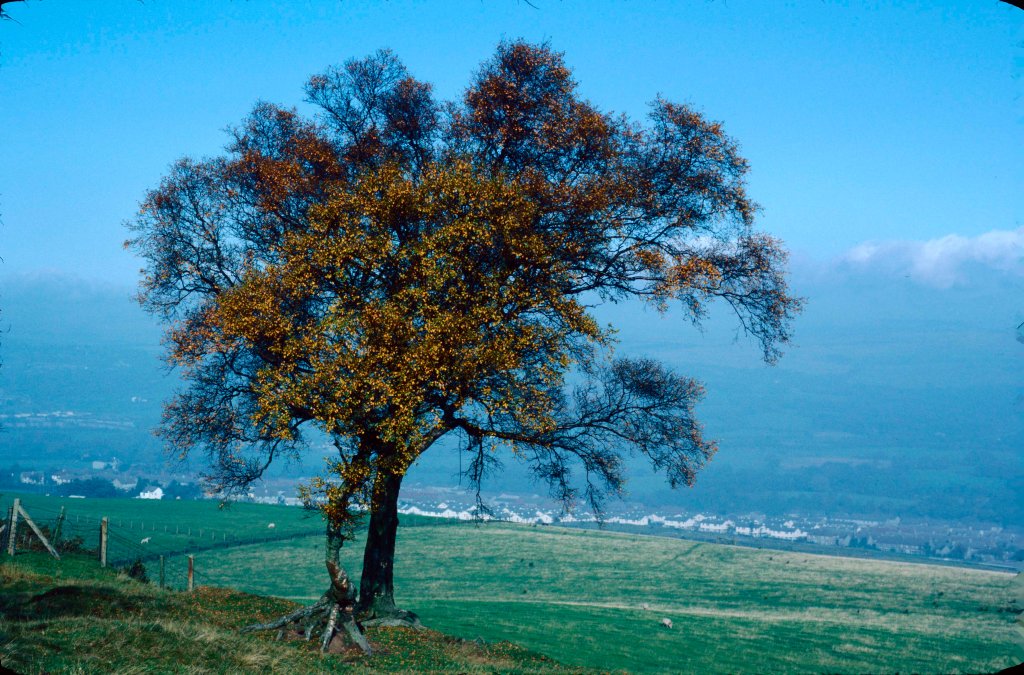
Read more…: The Lie of the LandSince, before moving there, I knew little about Wales, beyond certain clichés of which I was suspicious, I was taken aback to be woken from my first night’s sleep in the children’s home by the bleating of a flock of sheep being driven down the road under my window.
-
Assorted Pollutions and Evasions
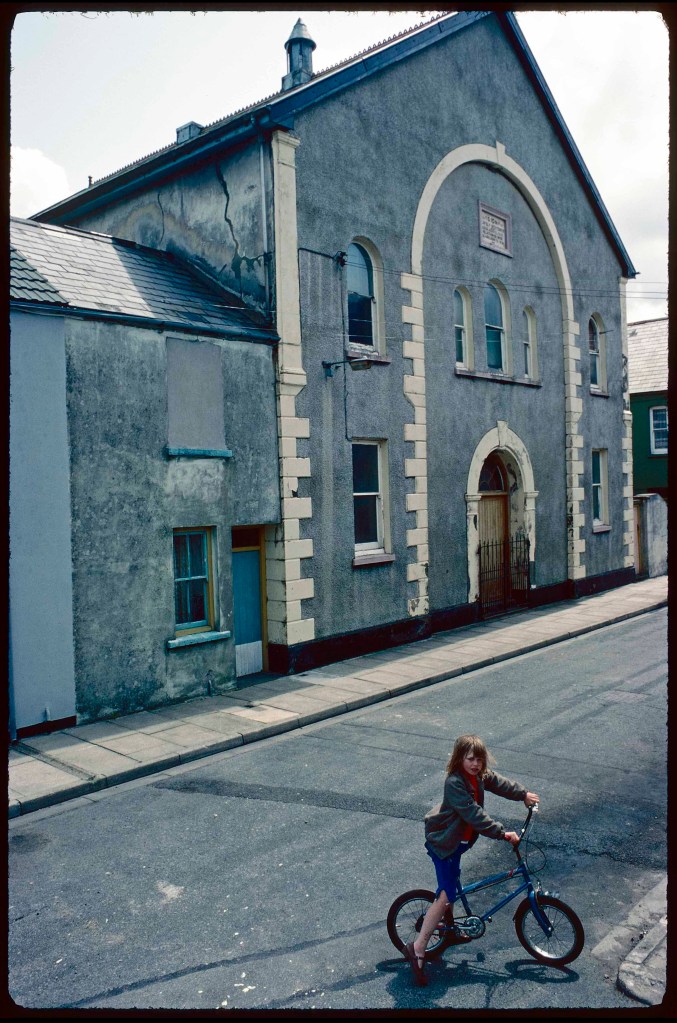
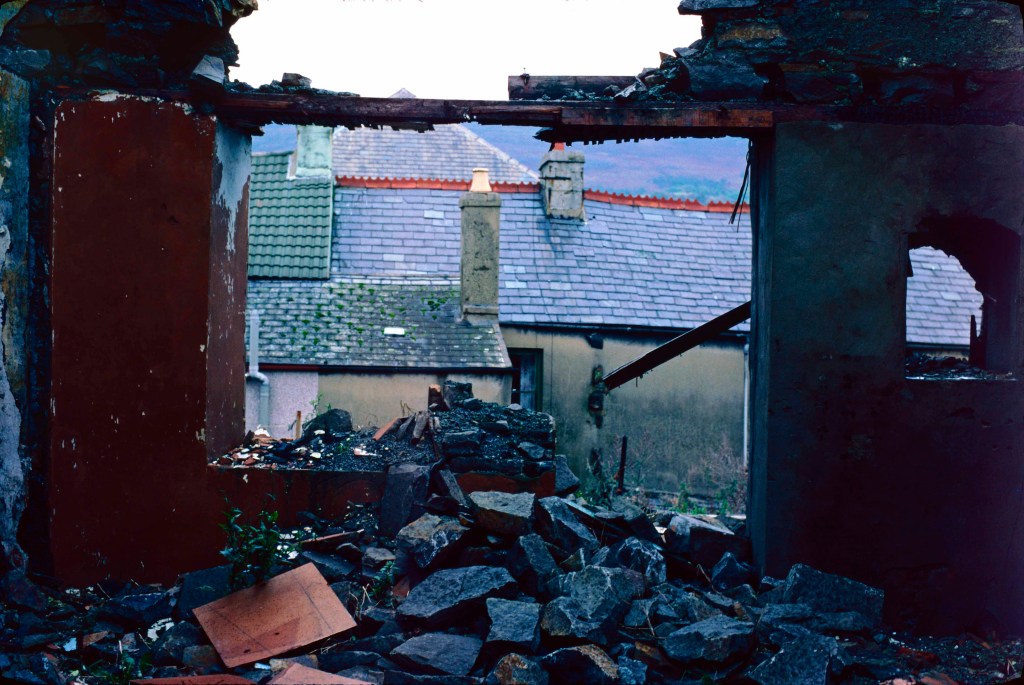
Read more…: Assorted Pollutions and EvasionsMy new environment, the town of Aberdare and the Cynon Valley, was very different to anything that I had previously known: the constant presence of the low mountains on either side, the black and greening slag heaps; the urban landscape of non-conformist chapels and working men’s clubs, and the terraced houses built by the mining…
-
Nuclear Sublime
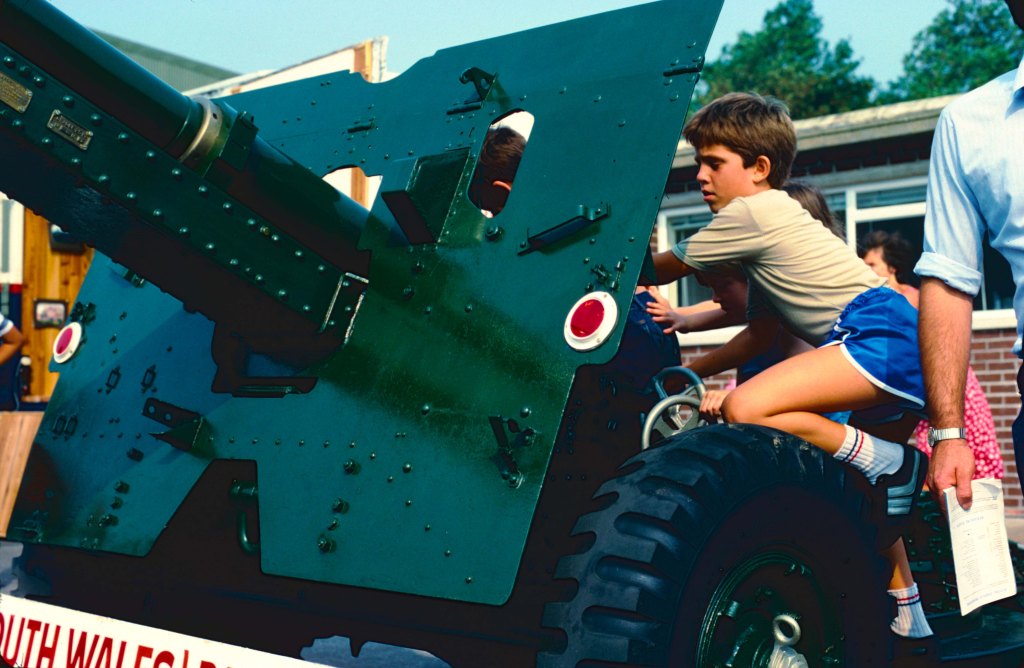
Read more…: Nuclear SublimeAfter university, I worked as a volunteer in a children’s home and special school in South Wales (of which, more later). One of the first things I was asked to do was to take some teenage boys to a military air show at RAF St Athan.
Subscribe
Enter your email below to receive updates.
 Julian Stallabrass