Edited Books
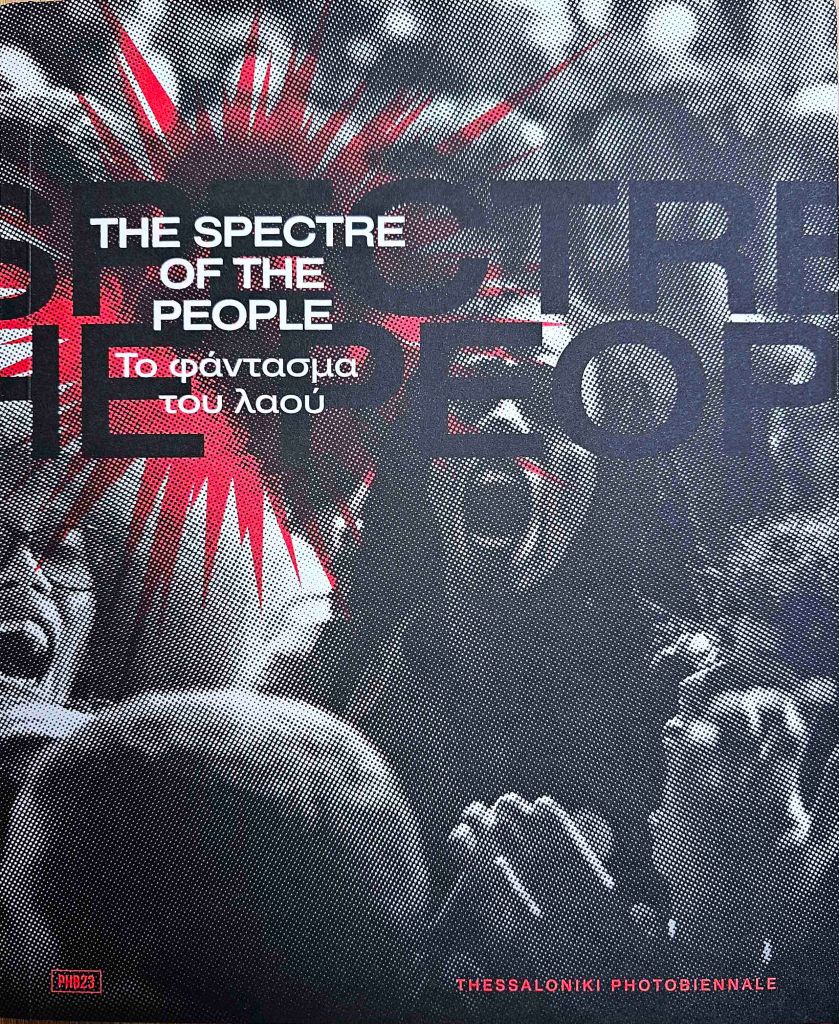
The Spectre of the People: Thessaloniki PhotoBiennale 2023, Macedonia University Press/ MOMus—Thessaloniki Museum of Photography, Thessaloniki 2023.
The exhibition catalogue for my main show of the Thessaloniki PhotoBiennale. It contains a long catalogue essay by me about populism, photography and video, along with texts by Chantal Mouffe, Yochai Benkler and Angela Nagle.
I did interviews about the exhibition with Kathimerini newspaper and OW.GR
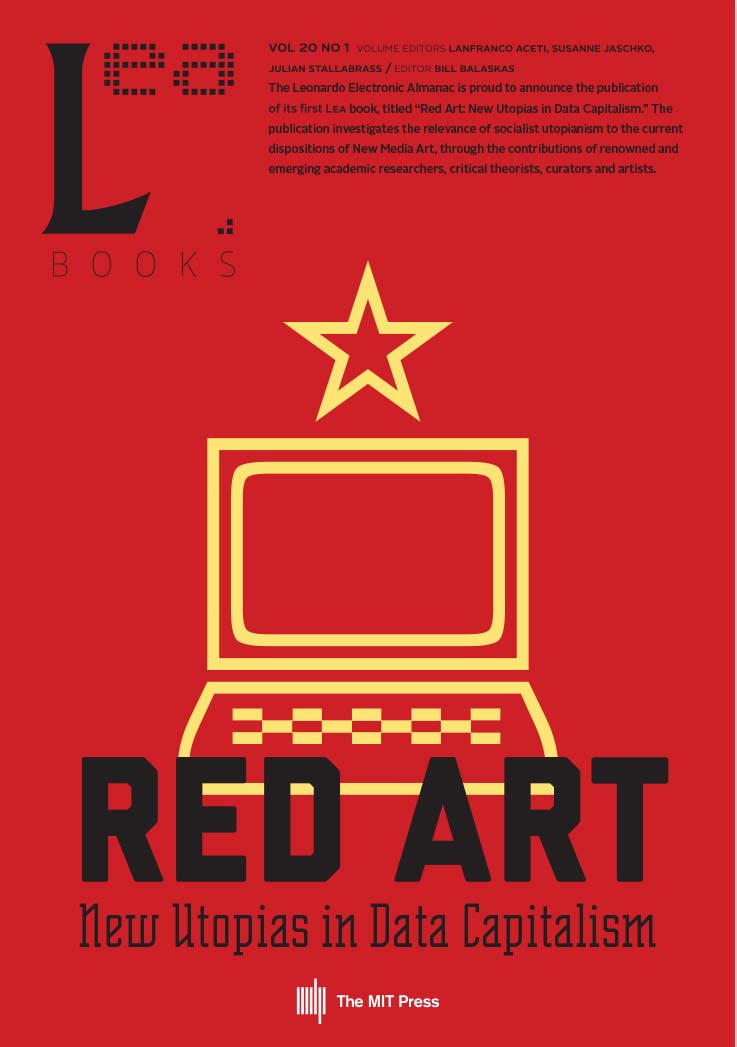
Lanfranco Aceti, Susanne Jaschko and Julian Stallabrass, eds., Red Art: New Utopias in Data Capitalism, Leonardo Electronic Almanac, Volume 20 Issue 1, January 15, 2014.
My introduction: ‘Why Ditigal Art is Red’, pp. 18-20.

Memory of Fire: Images of War and the War of Images, Photoworks, Brighton, 2013.
This book comes out of my curation of the Brighton Photo Biennial in 2008, and gathers some of the materials that we commissioned at the time for a catalogue that never appeared, along with newer elements. It includes essays by Stefaan Decostere, Coco Fusco, Sarah James and Rita Leistner. In addition to my essay, ‘The Power and Impotence of Images’, I conducted interviews for the book with Broomberg and Chanarin, Ashley Gilbertson, Philip Jones Griffiths and Trevor Paglen.
My essay: Power and Impotence‘The Power and Impotence of Images’, in Memory of Fire, pp. 32-55.
More information and you can buy it from Photoworks here.

Documentary, Whitechapel Gallery/ The MIT Press, Reader in the series ‘Documents of Contemporary Art’, London 2013.
On how documentary became renewed in the contemporary art world, after the long period of its denigration. A collection of texts that looks at its art, history and theory, with texts from authors and artists such as John Grierson, David Goldblatt, An My Le, Trinh T. Minh-ha, Jean-Paul Sartre, Haroun Farocki and Ariella Azoulay.
Here is my introduction to the book. More information on the book here.
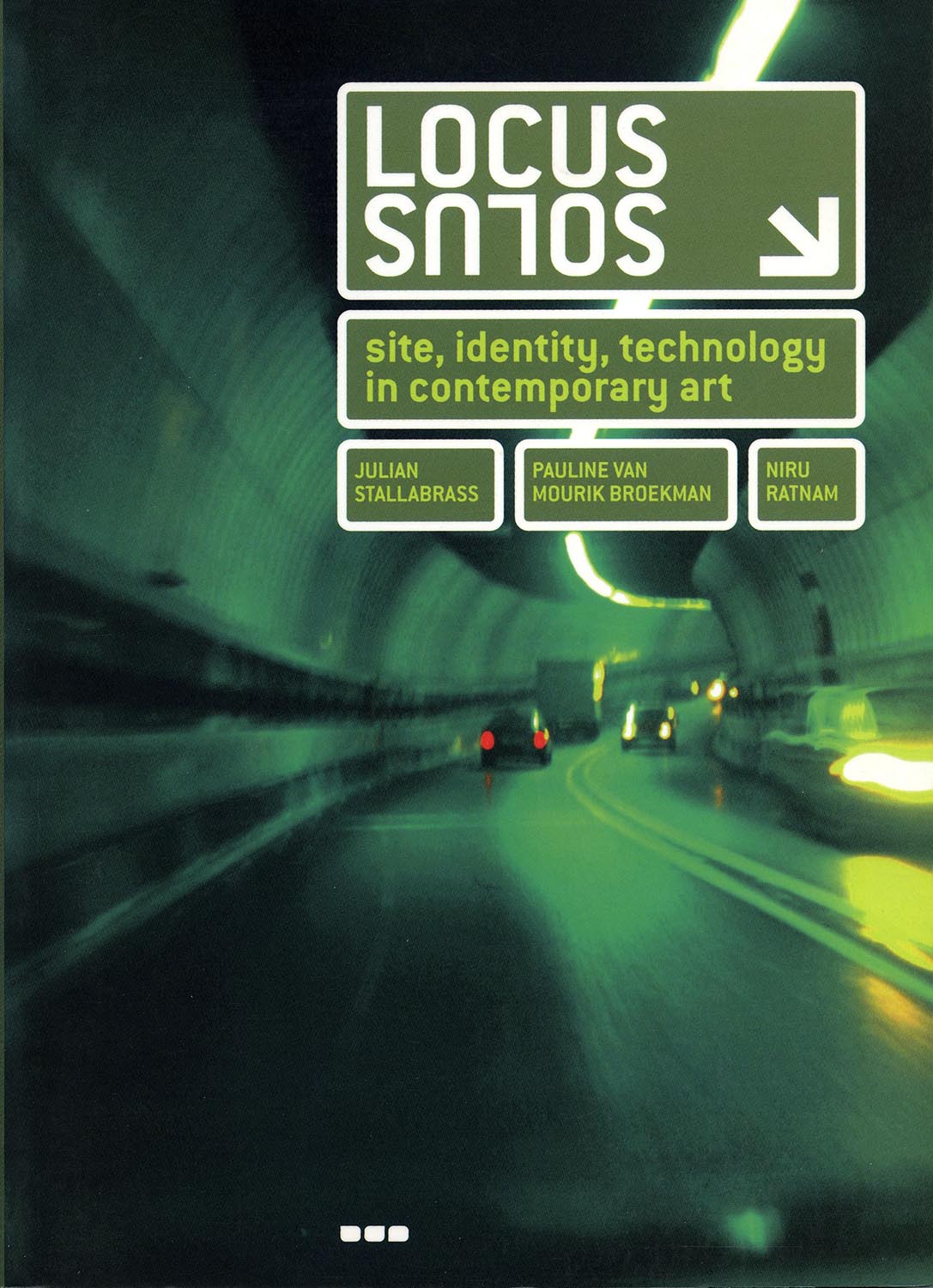
Locus Solus: Technology, Identity and Site in Contemporary Art, co-edited with Duncan McCorquodale, Black Dog Publishing, London 1999.
“Locus Solus” borrows its title from a book by Raymond Roussel, first published in 1914, which presented astounding premonitions of future capabilities. In Roussel’s book a brilliant (but perhaps deranged) scientist pursues fantastical technological quests, which included the re-animation of the dead and the automated production of art works. Influenced by questions raised by Roussel, this volume combines the work of artists in the Locus+ initiative, all of whom have exhibited internationally, and amongst whom are Cathy de Monchaux, Stefan Gec, Gregory Green and Mark Wallinger. The sections “site”, “identity” and “technology” respectively deal with the power within boundaries and the subsequent specificity of site, identity and its demarcation, and the crossing of borders by technology and its mutations.
My essay is entitled ‘Memories of Art Unseen’, pp. 14-29; my role as editor, in collaboration with McCorquodale included the conceptualisation of the book, commissioning of essays and design, especially the choice of illustrations.
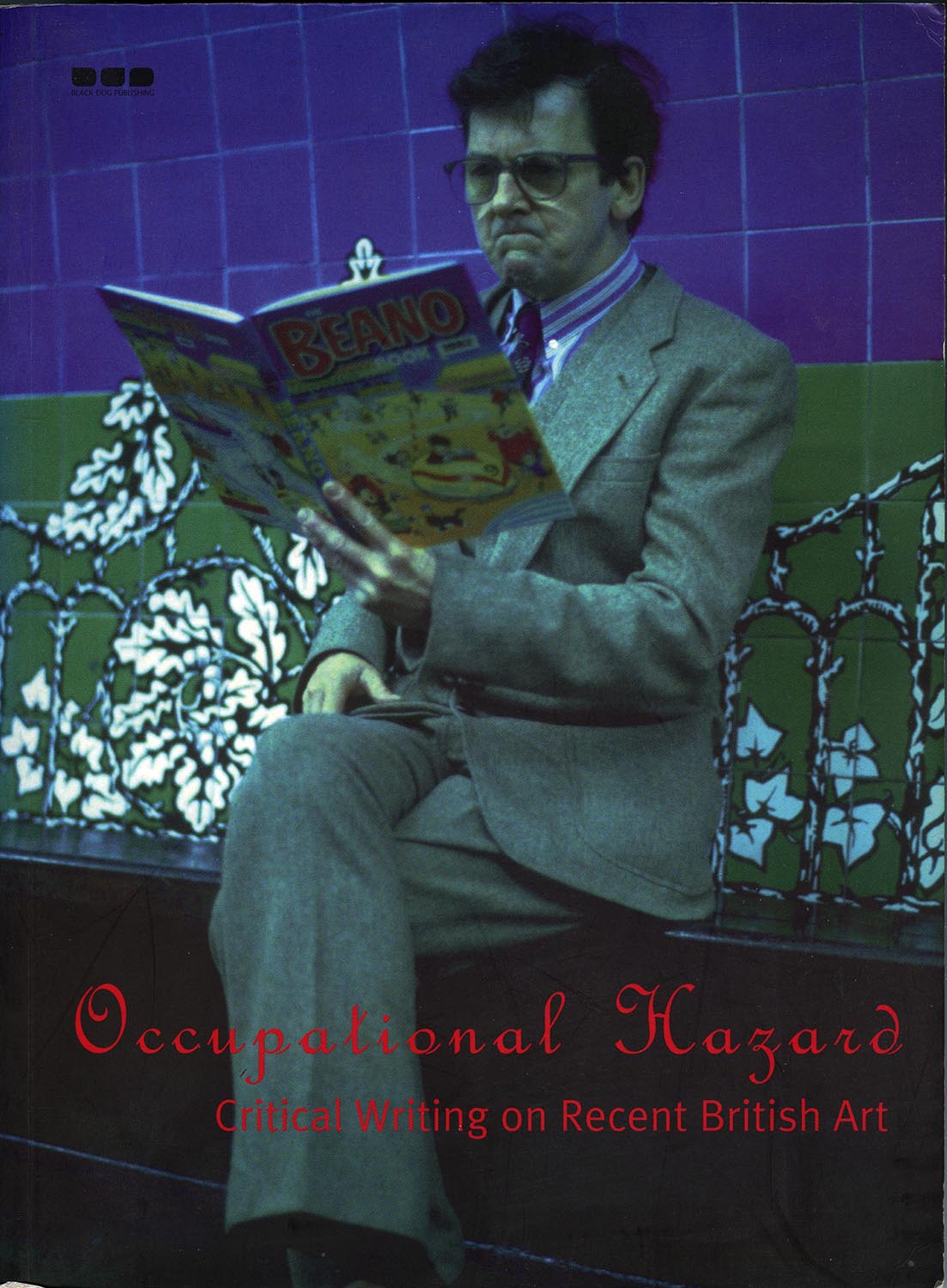
Occupational Hazard: Critical Writing on Recent British Art, co-edited with Duncan McCorquodale and Naomi Siderfin, Black Dog Publishing, London 1998.
Recent British art has been the cause of a great deal of controversy, not only among art world insiders but among the general public. Artists have become media figures as never before in this country. This raises many fundamental questions about the work of art, its relation to different audiences and to the mass media, to curatorship and the gallery. Yet the literature about this subject has been driven by PR-speak and has signally failed to address the importance and the limitations of the full range of this new art.
The book brings together a series of essays about various aspects of the subject, including art and the everyday, the fate of feminism, the appearance of monsters in art, computer art, performance art, artists acting as curators and the ‘alternative’ gallery scene. I and my co-editors spent a lot of time gathering pictures from artist-led organisations up and down the country, and the resulting illustrations contain a lot of seldom or never previously reproduced work. This is a book which is meant to show what goes on beyond the hype about the big names and the big galleries, though it also contains a critical analysis of the current scene. It aims to give artists and all those interested in the art world a way of looking beyond the blinding but shallow present.
Occupational Hazard is the first book to explore critically the British art scene of the 1990s, in an attempt to get at the substance behind the hype. It brings together the views of artists, critics and curators who have made their mark on this often fractious scene. Their views are diverse, and these writers air their differences without pulling any punches. The result is essential to all those interested in contemporary culture, as a document and an analysis of the many and varied strands of new British art.
My essay is entitled ‘A Place of Pleasure: Woodwork, Vauxhall Spring Gardens and Making Audiences for Art’, pp. 170-207.
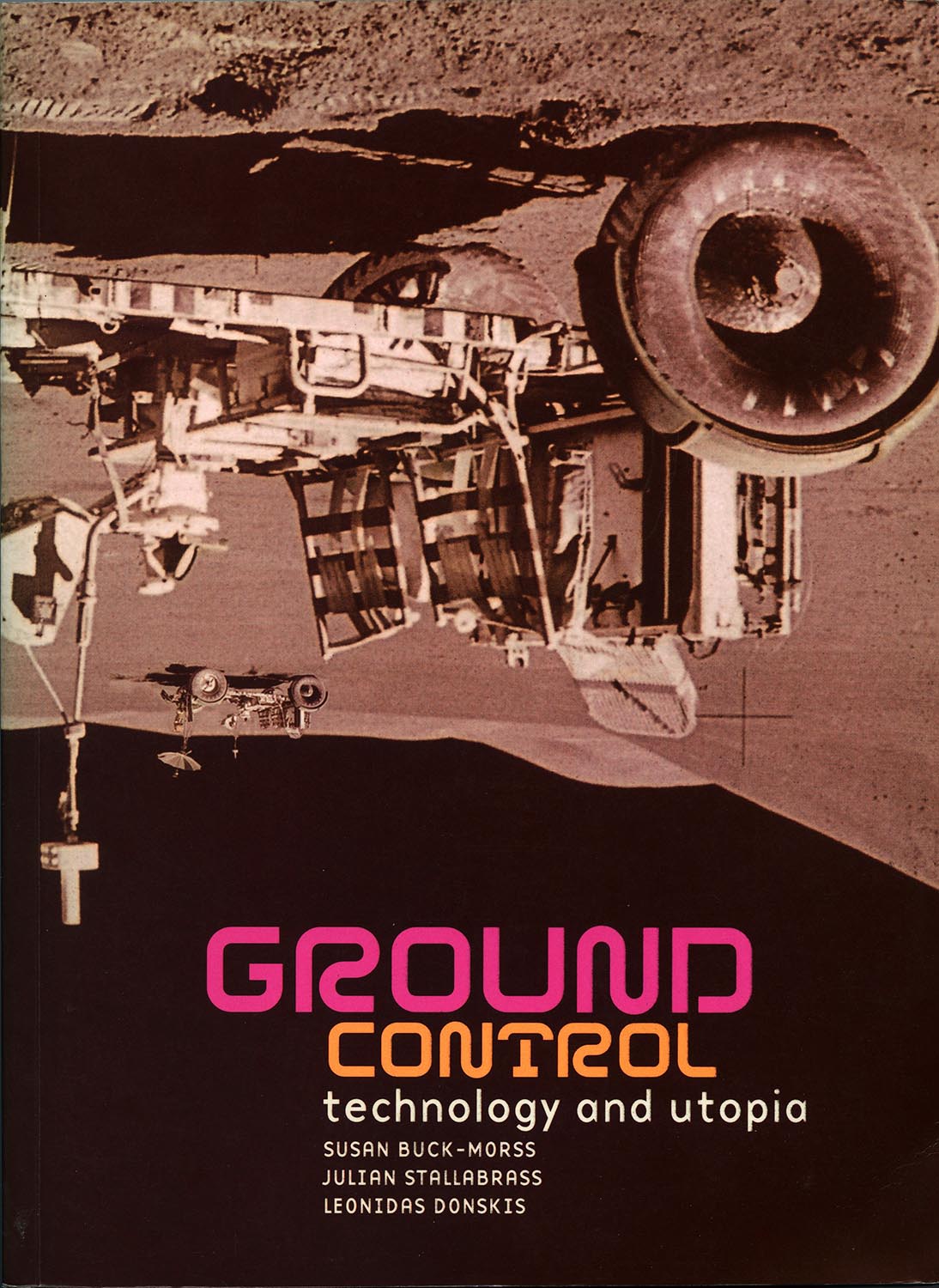
Ground Control: Technology and Utopia, co-edited with Duncan McCorquodale and Lolita Jablonskiene, Black Dog Publishing, London 1997.
My essay in Ground Control is entitled ‘Money, Disembodied Art and the Turing Test for Aesthetics’.
I co-edited Ground Control which came out of an art exhibition and exchange between two artist-led galleries in London and Vilnius (Lithuania): Beaconsfield and Jutempus. They put on a show in which the work was meant to be easily portable or transmissible, and the results were extraordinary and unexpected, including radio surveillance work, a spoof email travelogue and a machine that purported to turn art lover’s shit into an eternal flame. The book illustrates much of this rarely-seen work and also contains artists’ statements, along with some more theoretical contributions which provide a context to the exhibition and the subjects it raised. Susan Buck-Morss, the well-known cultural commentator, writes about the utopian force of Soviet modernist art, and relates it to developments today. Leonidas Donskis, a Lithuanian philosopher, traces the rise and fall of utopian thinking, and looks at its prospects in the contemporary world. In my essay, I focus on computer art, and ask whether we don’t lose something important from art if it is no longer a matter of people working on material, and also whether or not art can be generated by computers alone (an aesthetic Turing Test).
The essays are accompanied by a selection of illustrations by contemporary artists from both the UK and Lithuania. Artists featured in the work include Lucy Gunning, Matt Collishaw, Fiona Banner, Evaldas Jansas, Dziugas Katina and Linas Liandzbergis.
 Julian Stallabrass