December 1985
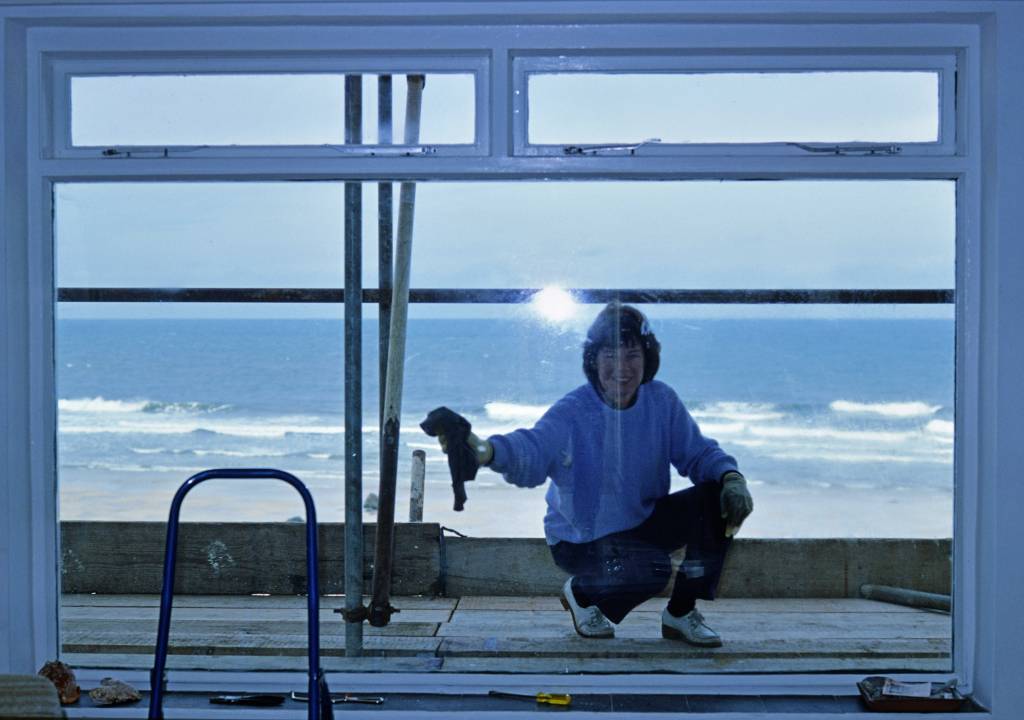
A photograph of my mother, Audrey, taking the opportunity of a scaffold outside our flat in St Ives to give the window a proper clean. I knew that the flash would reflect from the glass but also that, given the latitude of the films of the day, it was the only way to light her without greatly over-exposing the sea and sky beyond.
It was winter, the sea was rough, and she was three floors up above the beach. Her approach to her regular tasks—housework, interior decorating, gardening and landscaping—often had an intrepid quality. She did much to transform her family home, inside and out, especially its large garden. In a bare field that bordered the neighbour’s house, she planted a grove of various trees. As they grew over the decades, this became a peaceful, shaded, beautiful place, in which you would often hear birdsong, and it remains dear to me because it is her creation.
Raised in the war years, she remembered even at the end of her life her father’s doomed attempt to stop his children naming the chickens they kept for eggs and the pot, and one of them, Betsy, wandering through the house to be petted. That hen died naturally. And also how she and her classmates would travel to school by bus through war-torn London, learning not to run for cover so long as the German rockets—the doodlebugs—still had their engines running. It was only when the engine stopped that they would fall to the ground and explode. Later, when she became a mother, she contrasted that childish insouciance in the face of mortal danger with what she then understood was the anguish her own parents were going through as their children risked their lives on their daily commute.
Now, judging only from appearances, you might have viewed Audrey as a conventional woman of her time, a dutiful homemaker, the carer of her family, and the support on which her husband Peter built his career as a doctor. Bright though she was, she had no opportunity to go to university, she married young and spent much of her time tending her children and her garden. Yet she also had the courage to marry Peter, despite the decidedly unconventional matter of his parentage, and then to adopt three children, knowing even less about what she was going to get than those who have them in the usual way. Chalk and cheese as we were in our personalities, she cared for all of us, steadfastly and equally.
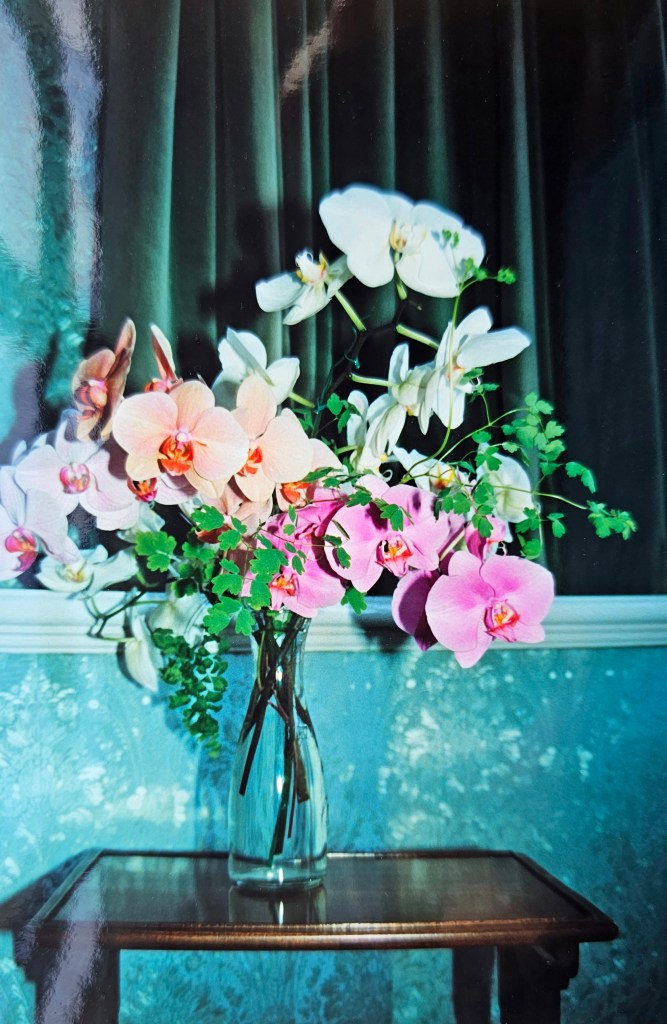
When we were growing up, Audrey was the occasional photographer of the family, and the few images we have from those days were usually taken by her. Later, on his retirement, Peter took up photography, making images on their travels but also of the house and garden—of lawns and shrubs and flower arrangements. I find these quite touching because they are his appreciations of Audrey’s long labour of love. Above is a digital rendering of one glossy enprint, processed on the high street.
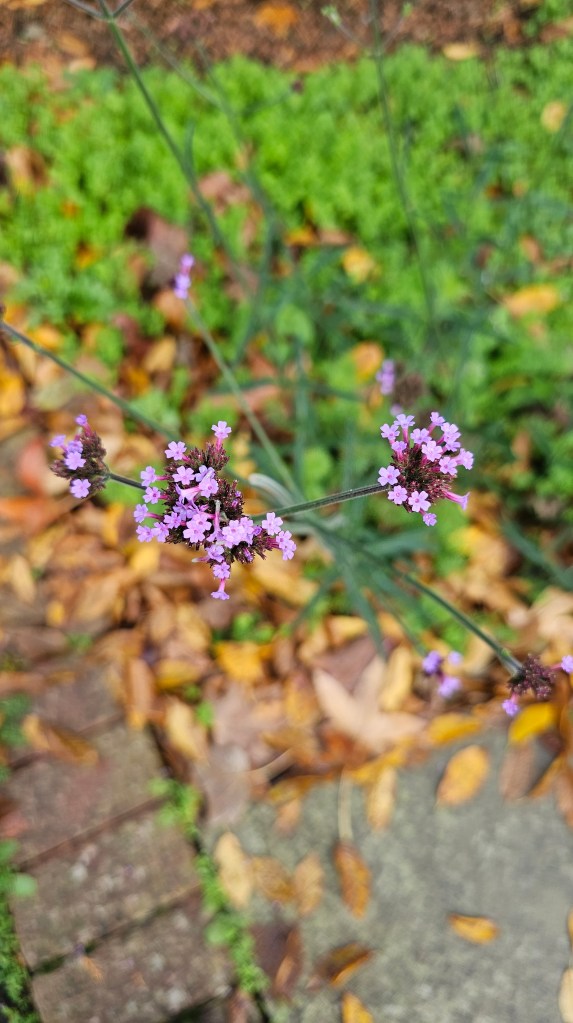
After over half a century in the home that she had done so much to create, it became unsafe for her to stay there, and Audrey moved to be in a care home close to me. It was painful to see old age slowly take so much from her, especially those abilities wrapped up with her way of living and being—so that she could no longer garden, walk well, or even venture outside.
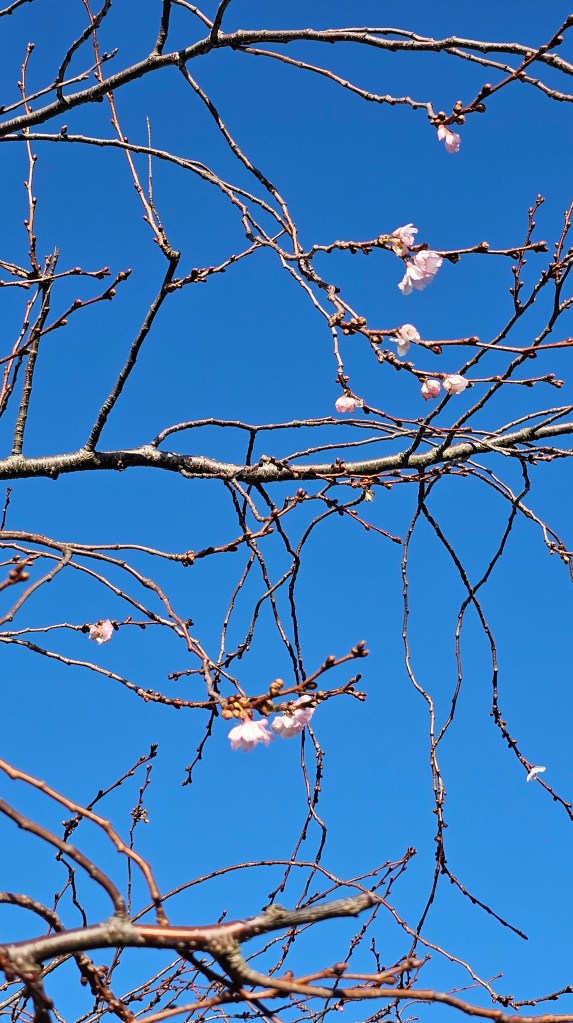
She died earlier this month, peacefully in her sleep. In the last half year of her life, as her memory increasingly failed her, I visited daily, in part to remind her of where she was and why. Almost every day, she would ask how long I had to walk to reach her. And on many days, she was delighted to learn once again that I was close at hand.

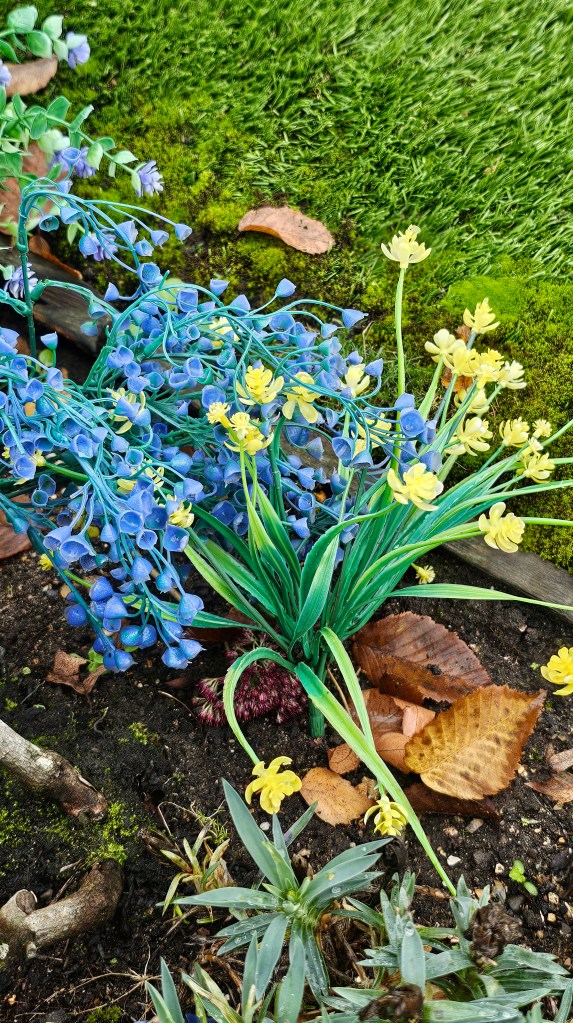
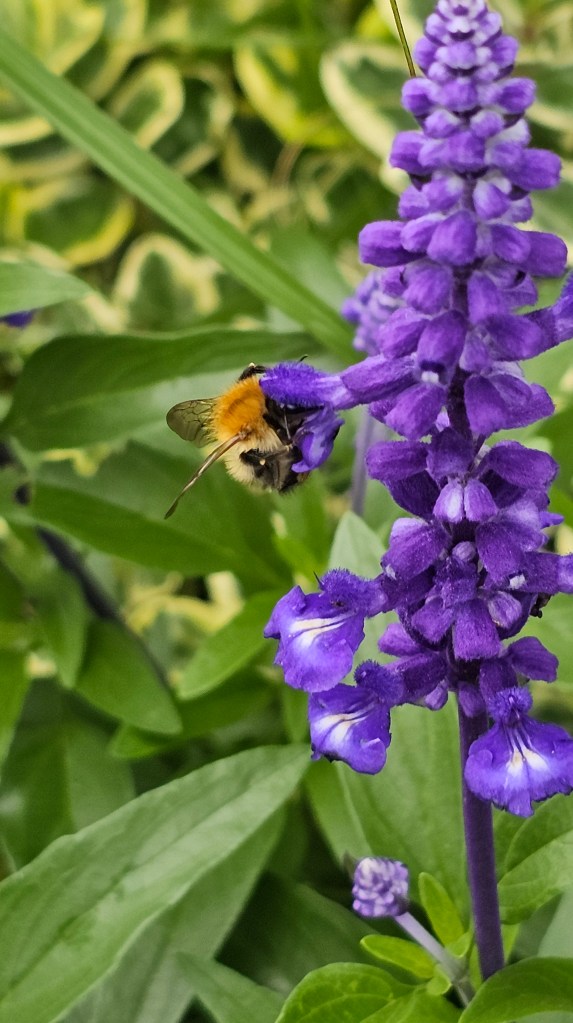
On that daily walk, a mile through suburbia, since she no longer felt able to go out, even in a wheelchair, I made snapshots of the flowers, shrubs, trees and skies that had always delighted her.
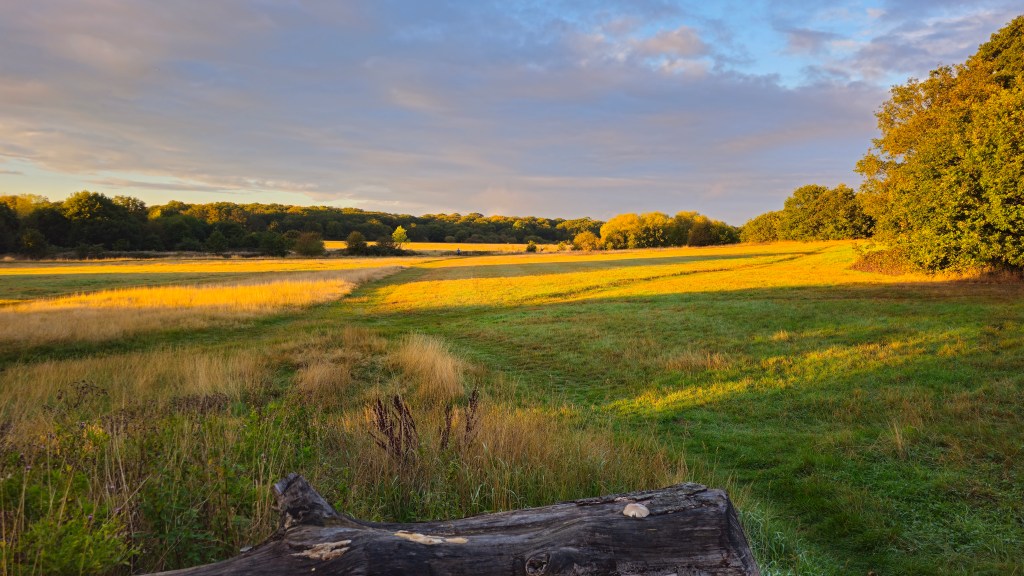
It became a daily ritual, this hurried gathering of the light from things that might please her. I didn’t use a camera for these but a phone, and so (as can be clearly seen above) the results are half photographs, an AI confection based around the photons received on the tiny image sensor. Endowed with an artificially exaggerated sharpness, colour and contrast, they are an algorithmic digest of the tastes of billions of image-makers. Audrey would often praise these artifacts and, as seen on the bright phone screen, they are of an entirely different order than the enprint.
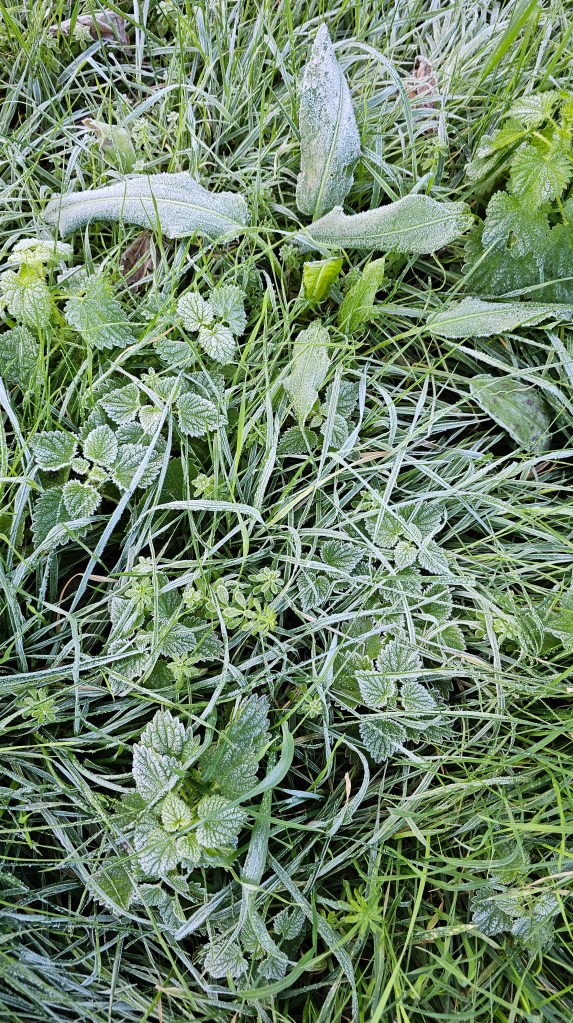
As the winter came on, and her health further declined, the images took on aspects of my experience of her condition. The last of winter blooms, old allegories of temporality and death, and the impending frost. There seemed to be strange parallel between the fragile things photographed, their near-weightless digital rendition, the increasing etiolation of her body which took on in places an eerie transparency, and the exposed character of my own mental state.
In the last days, her eyes were half open, unseeing or seeing, and it was sometimes hard to know whether she was asleep or awake. When I tried to show her what turned out to be the last image that I would take for her, she shied away, as if it burnt her eyes with its brightness.

 Julian Stallabrass
Leave a comment